Wondering about smoking after dental implants? Learn the risks, healing complications, implant failure rates, and how long you should avoid smoking after implant surgery for the best results.
Smoking After Dental Implants: Risks You Should Know
Dental implants have become one of the most reliable and long-lasting solutions for missing teeth. With success rates often exceeding 95%, dental implants can restore both function and appearance for many years. However, the success of treatment depends heavily on proper healing after surgery.
One of the biggest risk factors that dentists discuss with patients is smoking after dental implants.
If you smoke or use nicotine products, understanding the impact of smoking on implant healing can help you protect your investment and improve your long-term results.
Why Smoking After Dental Implants Is a Serious Concern
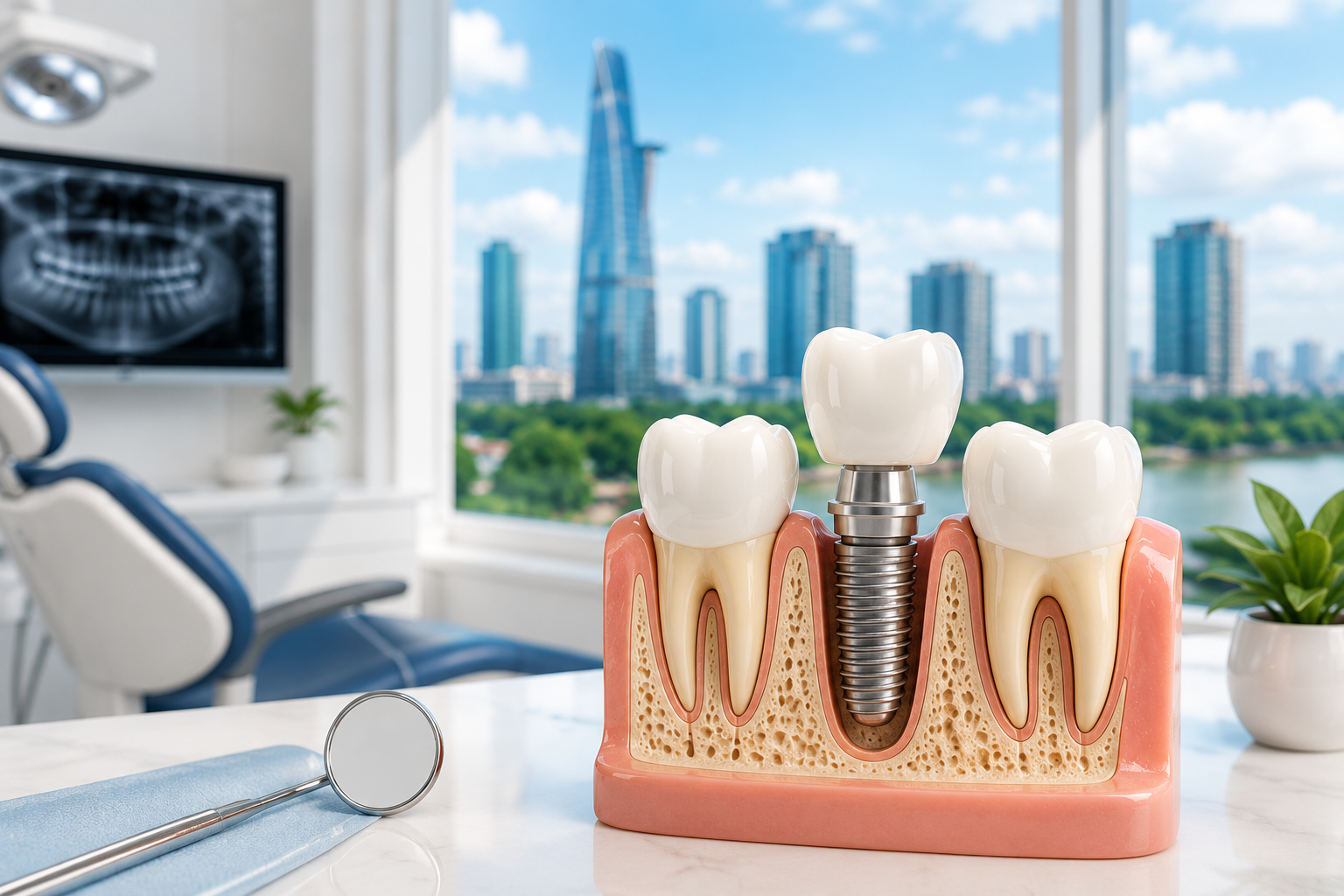
Dental implant treatment relies on a biological process called osseointegration. This is when the titanium implant gradually fuses with the surrounding jawbone, creating a strong and stable foundation for the final crown.
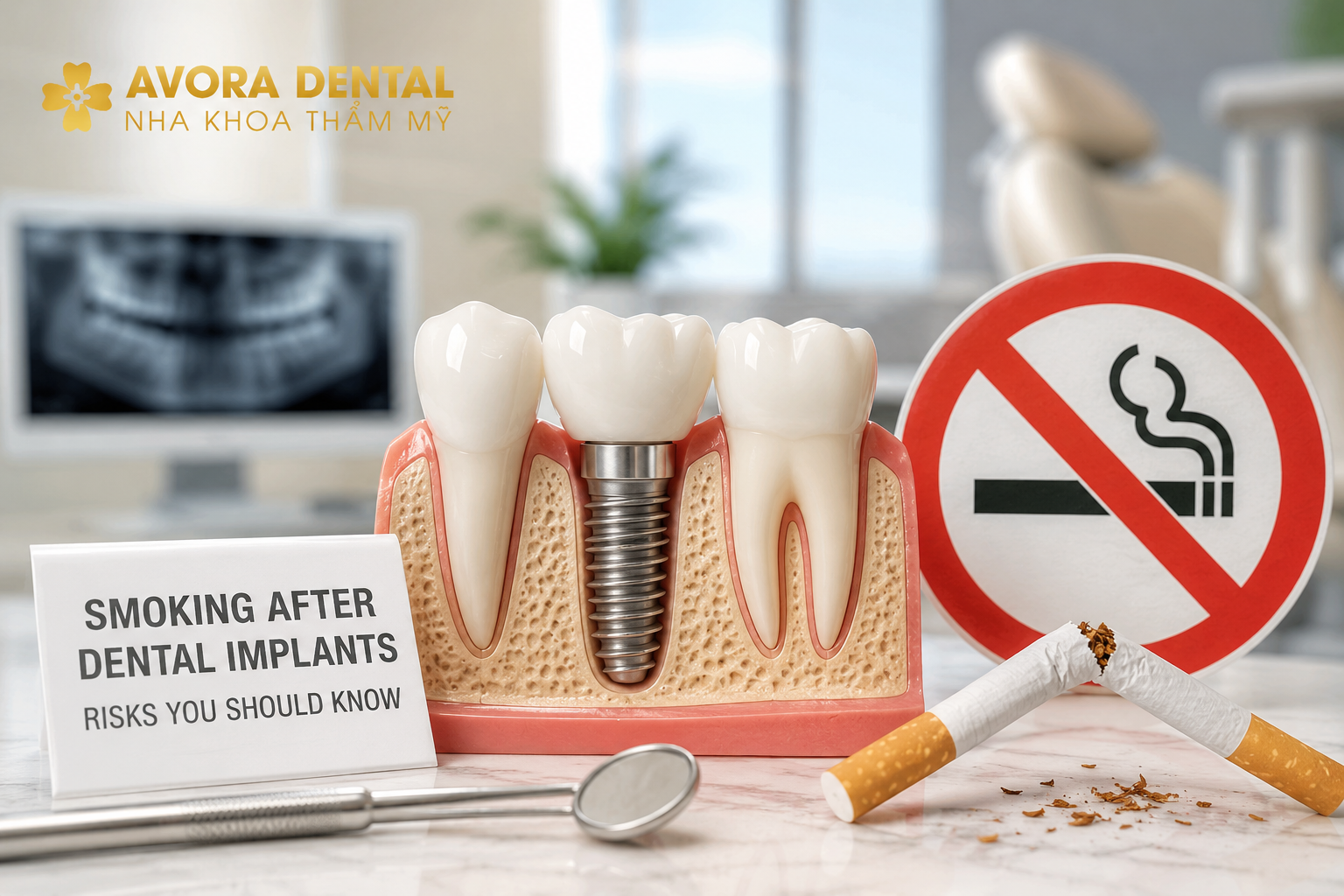
Unfortunately, smoking after dental implants can interfere with this process in several ways.
Nicotine causes blood vessels to narrow, reducing blood flow to the gums and jawbone. As a result, oxygen and nutrients needed for healing are delivered less efficiently to the surgical area.
At the same time, cigarette smoke introduces harmful chemicals that increase inflammation and delay tissue repair.
The combination of reduced blood supply and slower healing creates a higher risk of complications during the critical first few weeks after surgery.
How Smoking Affects Dental Implant Healing
Patients often ask whether smoking only a few cigarettes after surgery can really make a difference.
The answer is yes.
Even occasional smoking after dental implants can negatively impact healing because the first days and weeks after surgery are when the implant is most vulnerable.
Some of the most common effects include:
• Slower gum tissue healing
• Increased swelling and discomfort
• Higher risk of infection
• Delayed bone integration
• Greater chance of implant mobility
• Increased likelihood of implant failure
Research has consistently shown that smokers experience more implant complications compared with non-smokers.
Useful reference:
Centers for Disease Control and Prevention (CDC) – Smoking and Oral Health
Does Smoking Increase Dental Implant Failure Rates?
Yes.
Numerous clinical studies have demonstrated that smokers have significantly higher implant failure rates than non-smokers.
While implant success rates for healthy non-smokers are typically above 95%, heavy smokers may experience success rates that are considerably lower depending on smoking frequency, oral hygiene, and overall health.
The risk becomes even higher for patients who:
• Smoke more than ten cigarettes per day
• Have diabetes
• Suffer from gum disease
• Have poor oral hygiene habits
• Require bone grafting procedures
For these patients, smoking after dental implants can become one of the main factors contributing to treatment failure.
What Happens If You Smoke Immediately After Implant Surgery?
Smoking during the first 72 hours after surgery is considered particularly harmful.
During this period, blood clots are forming and the initial healing response is beginning.
Smoking too soon can lead to:
• Disruption of blood clot formation
• Increased bleeding
• Dry socket-like symptoms in extraction sites
• Delayed soft tissue closure
• Increased bacterial contamination
The suction motion involved in smoking may also place pressure on the surgical site and interfere with healing.
Because of these risks, most implant specialists strongly recommend avoiding smoking entirely during the early healing phase.
How Long Should You Avoid Smoking After Dental Implants?
This is one of the most common questions patients ask.
The ideal answer is permanently.
However, many smokers are more interested in understanding the minimum recommended period.
Most implant surgeons recommend:
• No smoking for at least 72 hours after surgery
• Preferably no smoking for two weeks after implant placement
• Ideally avoiding smoking for two to three months while osseointegration occurs
The longer you can avoid smoking after dental implants, the greater your chances of achieving successful bone integration.
Some dentists may recommend nicotine replacement strategies during this period.
Are E-Cigarettes and Vaping Safer After Dental Implants?
Many patients assume vaping is harmless compared with traditional cigarettes.
Unfortunately, this is not entirely true.
Although vaping eliminates combustion-related toxins, nicotine itself remains a major concern because it still reduces blood circulation and affects healing.
Emerging evidence suggests that vaping may still increase the risk of implant complications, particularly during early healing.
This means that switching from cigarettes to e-cigarettes does not completely eliminate the risks associated with smoking after dental implants.
Useful reference:
American Dental Association (ADA) – Oral Health Topics
Can Former Smokers Get Dental Implants Successfully?
Absolutely.
Many former smokers enjoy excellent implant outcomes.
In fact, quitting smoking before treatment significantly improves blood circulation, gum health, and bone healing capacity.
Patients who stop smoking several weeks before surgery often experience results similar to non-smokers.
If you are considering dental implants, your dentist may recommend stopping smoking one month before surgery and remaining smoke-free during healing.
Even temporary smoking cessation can provide meaningful benefits.
Signs That Smoking May Be Affecting Your Implant Healing
Patients should contact their dentist immediately if they notice:
• Persistent pain after the first week
• Excessive swelling
• Bleeding that continues beyond normal expectations
• Gum recession around the implant
• Bad taste or unpleasant odor
• Implant movement or looseness
These symptoms do not always indicate implant failure, but they may signal healing complications related to smoking after dental implants.
Early intervention can often save the implant and prevent more serious problems.
Tips for Smokers Planning Dental Implant Treatment
If quitting completely feels difficult, there are still practical steps you can take to improve outcomes.
Reduce Smoking Before Surgery
Even reducing cigarette consumption can improve circulation and healing capacity.
Follow Post-Operative Instructions Carefully
Taking medications exactly as prescribed and attending follow-up visits becomes especially important for smokers.
Maintain Excellent Oral Hygiene
Keeping the surgical site clean reduces bacterial buildup and lowers infection risk.
Consider Nicotine Replacement Therapy
Discuss alternatives with your healthcare provider if you struggle with temporary smoking cessation.
Choose an Experienced Implant Team
Patients with smoking histories often benefit from treatment planning by clinics experienced in managing higher-risk implant cases.
Why Many International Patients Choose Vietnam for Dental Implants
Vietnam has become one of Asia’s leading destinations for dental tourism, offering modern technology, internationally trained dentists, and significant cost savings compared with Australia, New Zealand, the United States, and the United Kingdom.
For smokers considering implant treatment abroad, comprehensive treatment planning and close follow-up become even more important.
At Avora Dental in Ho Chi Minh City, international patients receive personalized treatment plans, detailed aftercare instructions, and support throughout every stage of their dental journey.
As part of our July and August promotion, international patients with dental treatment plans valued at $4,000 USD or more can enjoy a complimentary 4-star hotel stay for 5 days and 4 nights (5N4D), helping make their dental trip more comfortable and convenient.
Final Thoughts on Smoking After Dental Implants
The evidence is clear: smoking after dental implants significantly increases the risk of complications and implant failure.
While dental implants remain possible for smokers, avoiding cigarettes during healing dramatically improves the chances of success.
If you are planning implant treatment, even a temporary break from smoking can make a meaningful difference to your long-term results.
By understanding the risks of smoking after dental implants and following professional guidance, patients can maximize healing, protect their investment, and enjoy a healthier smile for many years to come.
For additional evidence-based information about implant care and oral health, patients may find these resources helpful: