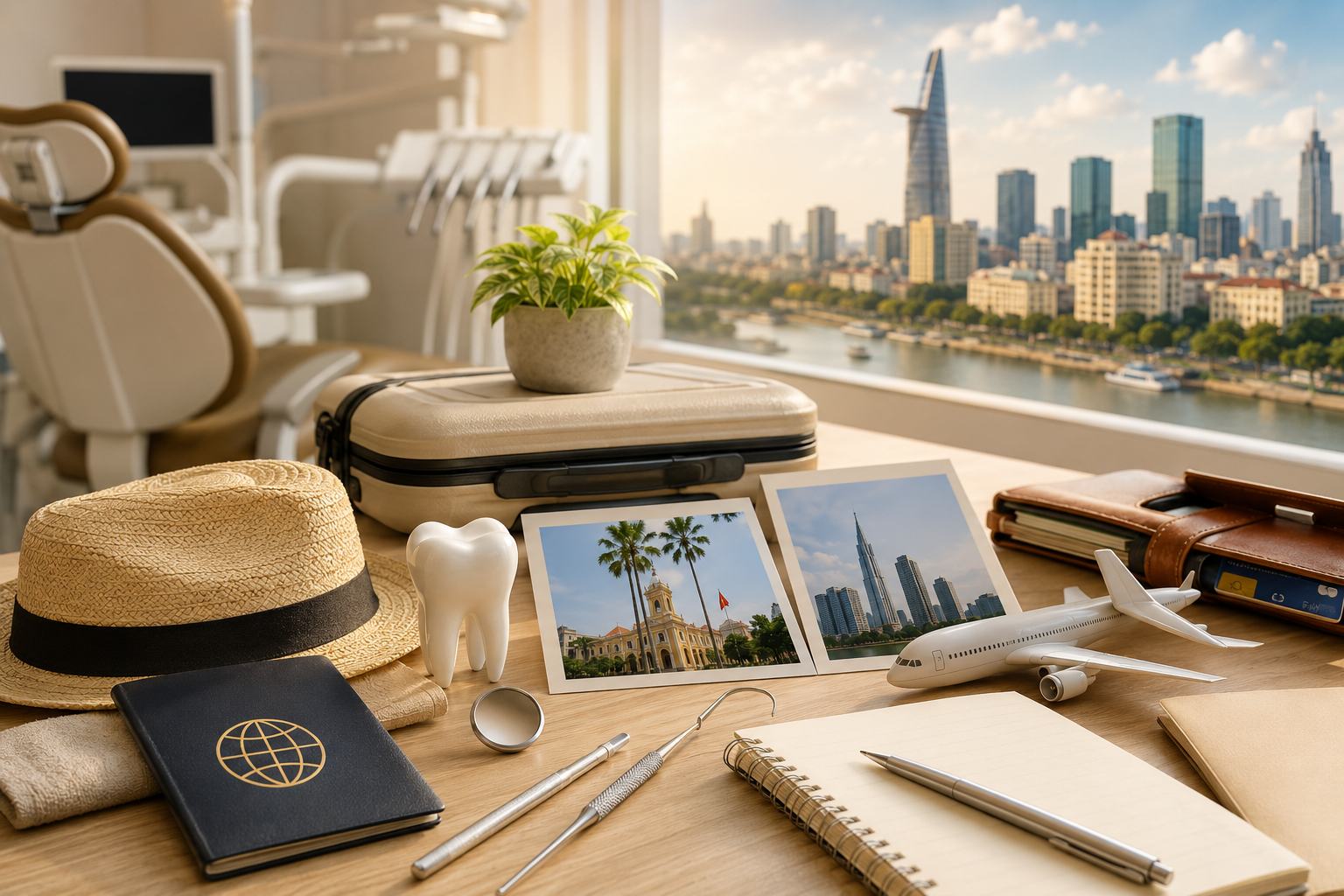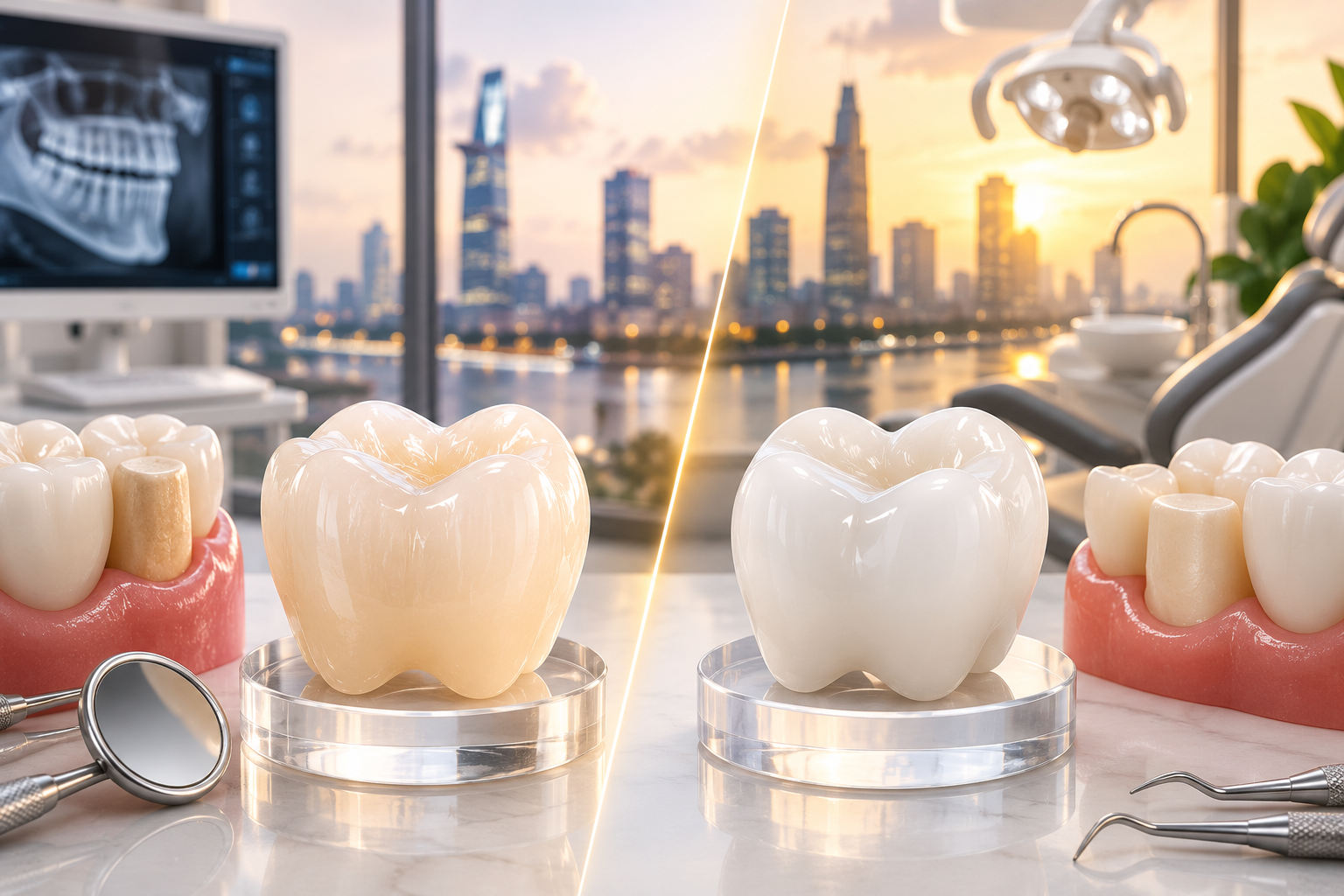
Discover the hidden costs in dental tourism that many international patients overlook. Learn how to budget correctly, avoid unexpected expenses, and choose a trustworthy dental clinic for your treatment abroad.
Dental tourism has become increasingly popular among patients from Australia, New Zealand, the United States, and Europe who are looking for high-quality dental care at more affordable prices. Countries such as Vietnam, Thailand, Turkey, and Mexico attract thousands of international patients every year thanks to their competitive treatment costs and experienced dentists.
However, while the advertised treatment price may look attractive, many patients underestimate the hidden costs in dental tourism that can significantly increase the total budget of their trip. Understanding these expenses before booking your treatment can help you avoid unpleasant surprises and make more informed decisions.
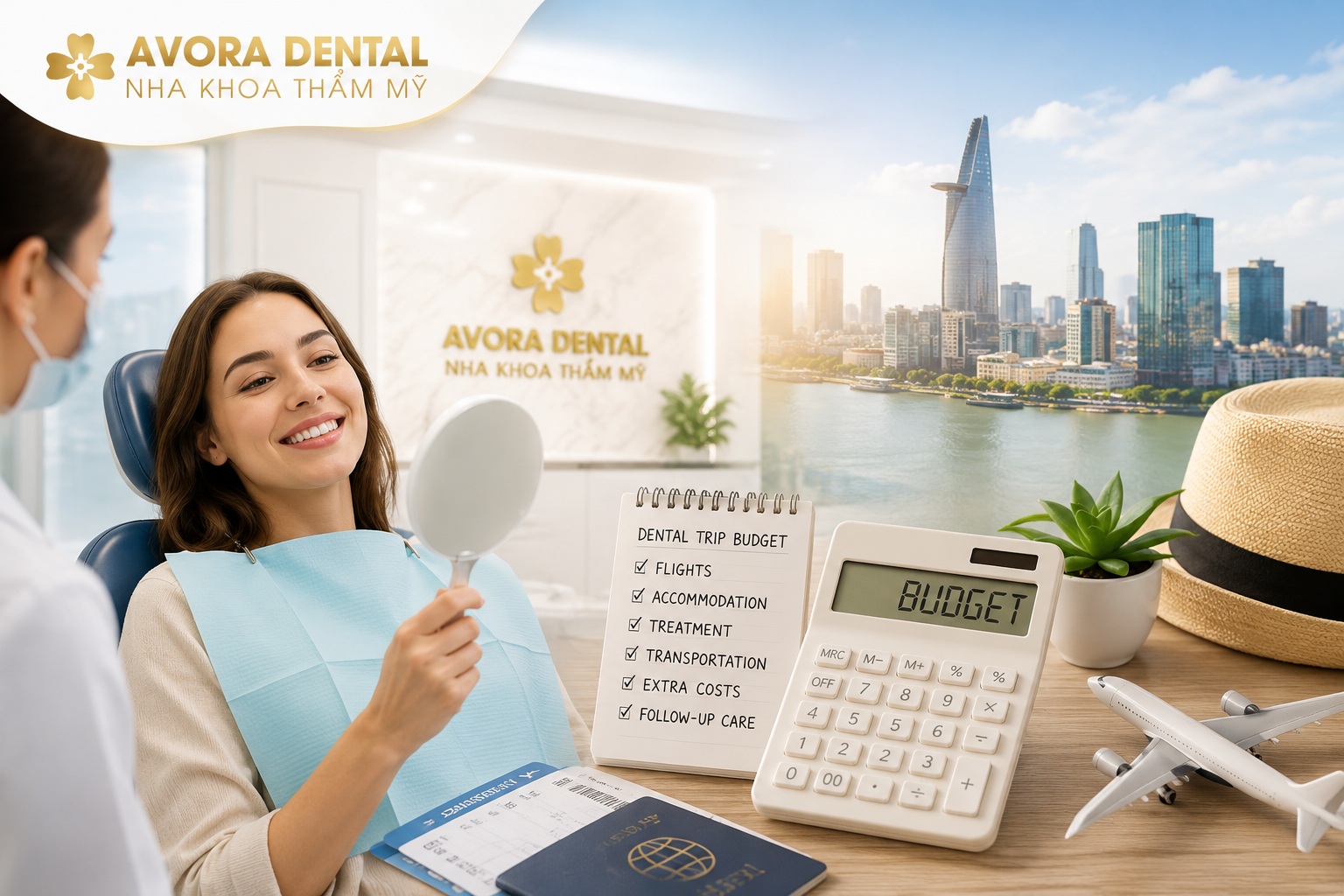
What Are Hidden Costs in Dental Tourism?
The term hidden costs in dental tourism refers to additional expenses that are not included in the clinic’s initial quotation. Some clinics only advertise the procedure price itself while leaving out accommodation, transportation, additional diagnostics, or unexpected treatment adjustments.
For example, a patient may compare a dental implant price of $900 in one country versus $2,500 in their home country and assume the savings are straightforward. In reality, once flights, accommodation, scans, medications, and possible follow-up visits are included, the final cost may be considerably higher than expected.
This does not mean dental tourism is not worthwhile. In many cases, patients still save 50–70% compared to treatment in Australia or North America. The key is transparency and planning.
Flights and Transportation Expenses
One of the most common hidden costs in dental tourism involves travel expenses.
International flights can fluctuate significantly depending on the season, booking time, and airline availability. Patients traveling during holidays or peak tourism periods may pay substantially more than expected.
Local transportation costs can also add up quickly:
- Airport transfers
- Hotel to clinic transportation
- Travel between multiple appointments
- Domestic flights if treatment is not located in the arrival city
Patients should calculate these costs before comparing treatment prices internationally.
For international airfare budgeting, patients can use travel planning resources such as Google Flights to estimate realistic travel expenses.
Accommodation During Treatment
Accommodation is often one of the largest hidden costs in dental tourism, particularly for implant procedures that require multiple visits.
Some treatments can be completed within a few days, while others require patients to stay for one to two weeks or even return several months later.
Examples include:
- Dental implants requiring healing periods
- Full mouth rehabilitation
- Complex bone grafting procedures
- Extensive cosmetic smile makeovers
A hotel stay of 7 to 14 nights can significantly impact the overall budget if not considered in advance.
To support international patients, Avora Dental currently offers a special July and August promotion:
Free 4-star hotel accommodation for 5 days and 4 nights for patients with dental treatment plans valued at $4,000 USD or more.
This program helps reduce one of the biggest hidden costs in dental tourism while making treatment planning easier for international visitors.
Patients can learn more through Avora Dental Official Website.
Additional Diagnostic Costs
Many patients receive a preliminary quote online after sending photos or X-rays. However, the final treatment plan may only be confirmed after in-person examinations.
Additional diagnostics may include:
- CBCT scans
- Panoramic X-rays
- Intraoral scans
- Bite analysis
- Periodontal assessments
Some clinics include these diagnostics in their package prices, while others charge separately.
This is one of the most overlooked hidden costs in dental tourism, particularly for implant patients where three-dimensional imaging is essential for safety and treatment accuracy.
According to recommendations from the dental profession, comprehensive diagnostics are crucial for successful implant outcomes and long-term oral health planning. Helpful patient information can be found at American Dental Association (ADA) Patient Resources.
Additional Treatments Discovered After Examination
Another important category of hidden costs in dental tourism occurs when dentists identify underlying issues that must be treated before the planned procedure.
Examples include:
- Gum disease treatment before implants
- Tooth extractions
- Bone grafting
- Sinus lift procedures
- Temporary restorations
- Root canal treatment
For example, a patient planning for a single implant may require bone grafting after a CBCT scan reveals insufficient bone volume.
These are not unnecessary upsells when properly justified clinically; they are often essential for long-term treatment success.
Transparent clinics explain these possibilities before patients travel so they can prepare financially.
Follow-Up Visits and Future Maintenance
Many patients focus only on the initial treatment cost and overlook long-term maintenance.
Dental implants, crowns, and veneers require periodic examinations just like natural teeth.
Potential future expenses include:
- Professional cleaning
- Implant maintenance visits
- Replacement retainers
- Minor adjustments
- Warranty-related travel
When evaluating hidden costs in dental tourism, patients should ask clinics:
- What is included in the warranty?
- Does the warranty cover labor or materials only?
- Who pays for travel if warranty work is required?
- Can follow-up care be coordinated locally?
These questions can prevent misunderstandings later.
Currency Exchange and International Payment Fees
International bank transfers and foreign credit card transactions may involve:
- Exchange rate differences
- International transfer fees
- Credit card surcharges
- Currency conversion charges
Although these costs may appear small individually, they can become noticeable for larger treatment plans.
Patients should confirm accepted payment methods and estimated transaction fees before traveling.
Financial planning tools such as Wise Currency Converter can help estimate accurate payment amounts before departure.
Time Away From Work
One of the least discussed hidden costs in dental tourism is lost income due to travel and recovery time.
Patients may need to take:
- Annual leave
- Unpaid leave
- Business downtime
- Recovery days after surgery
For self-employed individuals or business owners, this indirect cost can exceed travel expenses.
Understanding the expected recovery timeline before booking treatment allows patients to plan more effectively.
Choosing the Cheapest Clinic Can Become the Most Expensive Option
Many patients searching online focus exclusively on price comparisons.
However, extremely low pricing sometimes comes with risks such as:
- Lower quality materials
- Limited diagnostics
- Lack of international patient support
- Inexperienced clinicians
- Poor communication
- No warranty coverage
These factors can eventually result in corrective treatment costs that exceed the original savings.
When researching clinics, patients should evaluate:
- Dentist qualifications
- International patient reviews
- Treatment transparency
- Warranty policies
- Infection control standards
- Communication quality
Resources such as Joint Commission International (JCI) Standards Information can help patients understand international healthcare quality standards.
How Transparent Clinics Reduce Hidden Costs in Dental Tourism
Trustworthy dental clinics generally follow several principles:
- Provide itemized quotations
- Explain possible additional procedures
- Offer treatment timelines clearly
- Discuss warranty conditions openly
- Support patients with accommodation and transportation planning
- Assign dedicated international patient coordinators
Transparency does not necessarily mean the lowest initial quote.
Instead, it means patients understand the total investment before traveling.
This transparency is often the difference between a positive dental tourism experience and a stressful one.
Is Dental Tourism Still Worth It?
Despite the potential hidden costs in dental tourism, the answer for many patients remains yes.
Countries like Vietnam continue to offer substantial savings while maintaining high clinical standards and modern facilities.
Patients who plan carefully, ask detailed questions, and choose transparent providers often achieve excellent outcomes at a fraction of domestic treatment prices.
The goal is not to avoid dental tourism but to understand the full picture before making decisions.
Final Thoughts
Understanding the hidden costs in dental tourism is essential for creating an accurate budget and avoiding unexpected expenses.
Before committing to treatment abroad, patients should consider:
- Flights
- Accommodation
- Diagnostics
- Additional procedures
- Maintenance costs
- Payment fees
- Time away from work
The most successful dental tourism experiences happen when patients prioritize transparency and long-term value rather than simply choosing the cheapest option.
At Avora Dental, international patients receive clear treatment planning, transparent communication, and dedicated support throughout their journey in Vietnam.
Combined with the current Free 4-Star Hotel for 5 Days and 4 Nights promotion for treatment plans above $4,000 USD, patients can reduce several common hidden costs in dental tourism while enjoying a smoother and more comfortable treatment experience.