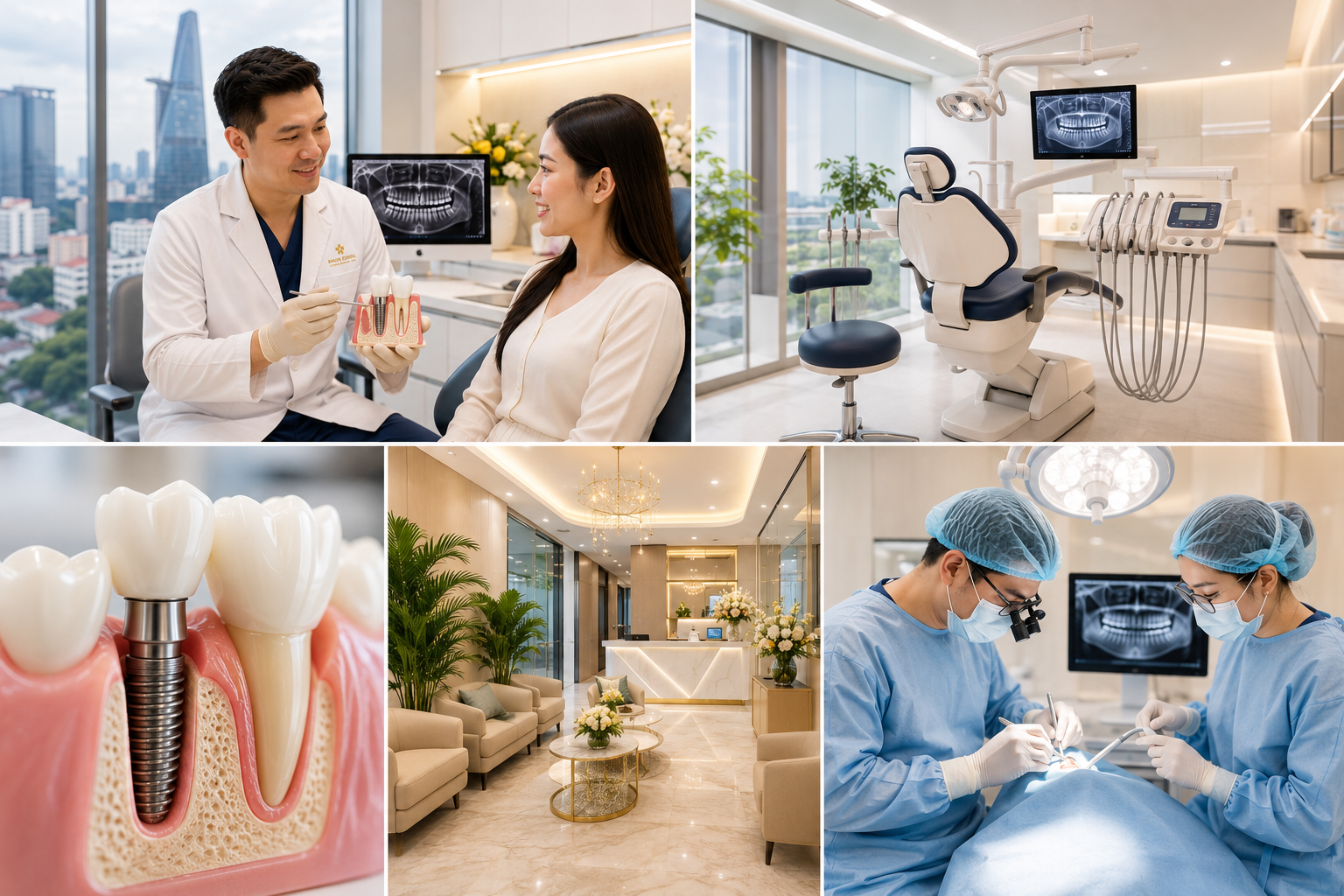
Tooth loss not only affects aesthetics but also impacts chewing function and overall oral health. Today, the Dental Implant Technique is considered one of the most advanced and effective solutions for replacing missing teeth, offering long-term stability and natural results.
So what exactly is the Dental Implant Technique, and why is it widely recommended? Let’s explore in detail.
What Is the Dental Implant Technique?
The Dental Implant Technique is a modern dental procedure that involves placing an artificial tooth root into the jawbone to replace a missing tooth. This artificial root, known as an implant, is typically made of titanium – a material with excellent biocompatibility that integrates well with bone tissue.
Once the implant is securely placed, a dental crown is attached on top, restoring both function and appearance. This method creates a replacement tooth that closely mimics natural teeth in structure and performance.
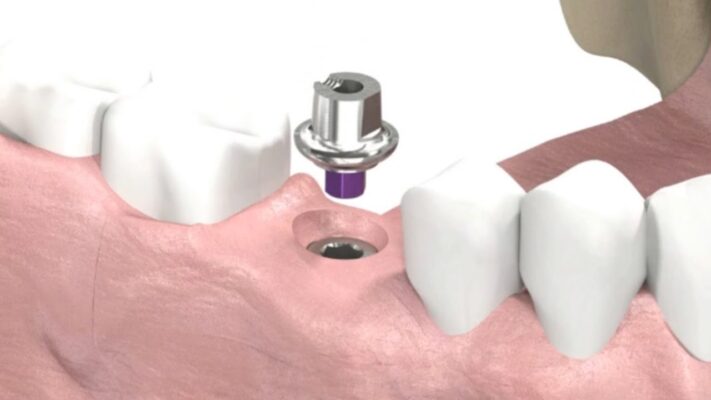
The Dental Implant Technique replaces a missing tooth with an artificial root
Benefits of the Dental Implant Technique
1. Natural Appearance and Function
One of the biggest advantages of the Dental Implant Technique is its ability to replicate natural teeth in terms of shape, color, and size. Patients can chew and speak comfortably without noticeable differences.
2. Long-Term Durability
Dental implants are designed to integrate with the jawbone, creating a stable foundation. With proper care, the Dental Implant Technique can provide results that last for many years—even a lifetime in some cases.
3. Bone Preservation
Unlike traditional dentures or bridges, the Dental Implant Technique helps prevent jawbone loss. By stimulating the bone like a natural tooth root, it maintains facial structure and oral health.
4. High Safety and Biocompatibility
Titanium implants used in the Dental Implant Technique are non-corrosive, non-allergenic, and highly compatible with the human body, ensuring safety during long-term use.

Titanium implants used in the Dental Implant Technique are non-corrosive
Dental Implant Procedure
The Dental Implant Technique involves several carefully planned steps:
Step 1: Consultation and Examination
The dentist evaluates oral health, takes X-rays or CT scans, and determines a suitable treatment plan.
Step 2: Preparation
The patient undergoes oral cleaning and health checks to ensure readiness for the procedure.
Step 3: Implant Placement
The implant is surgically inserted into the jawbone under local anesthesia. The procedure typically takes about 7-10 minutes per implant.
Step 4: Temporary Restoration
A temporary crown may be placed while waiting for the implant to integrate with the bone.
Step 5: Final Crown Placement
After healing, a permanent crown is attached, completing the Dental Implant Technique and restoring full function.
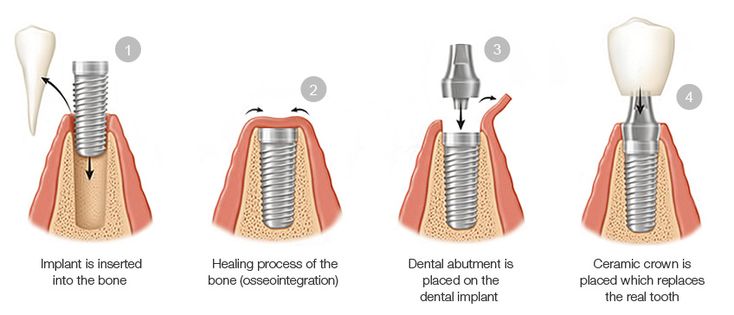
The Dental Implant Technique involves several carefully planned steps
Who Should Avoid the Dental Implant Technique?
Although highly effective, the Dental Implant Technique is not suitable for everyone. It is generally not recommended for:
- Pregnant women
- Patients with uncontrolled diabetes
- Individuals under 17 years old
- People with active oral infections
In some cases, patients with chronic conditions should consult their dentist carefully before proceeding.
The Dental Implant Technique is a breakthrough solution for tooth replacement, offering superior aesthetics, durability, and functionality compared to traditional methods.
With its ability to integrate with the jawbone and mimic natural teeth, the Dental Implant Technique not only restores your smile but also improves overall oral health and quality of life.