All on 4 recovery time is one of the most important concerns for patients considering full-mouth dental implant treatment. Whether you are planning to restore your smile, improve your ability to eat, or travel to Vietnam for dental care, understanding the recovery process can help you prepare for a smoother experience.
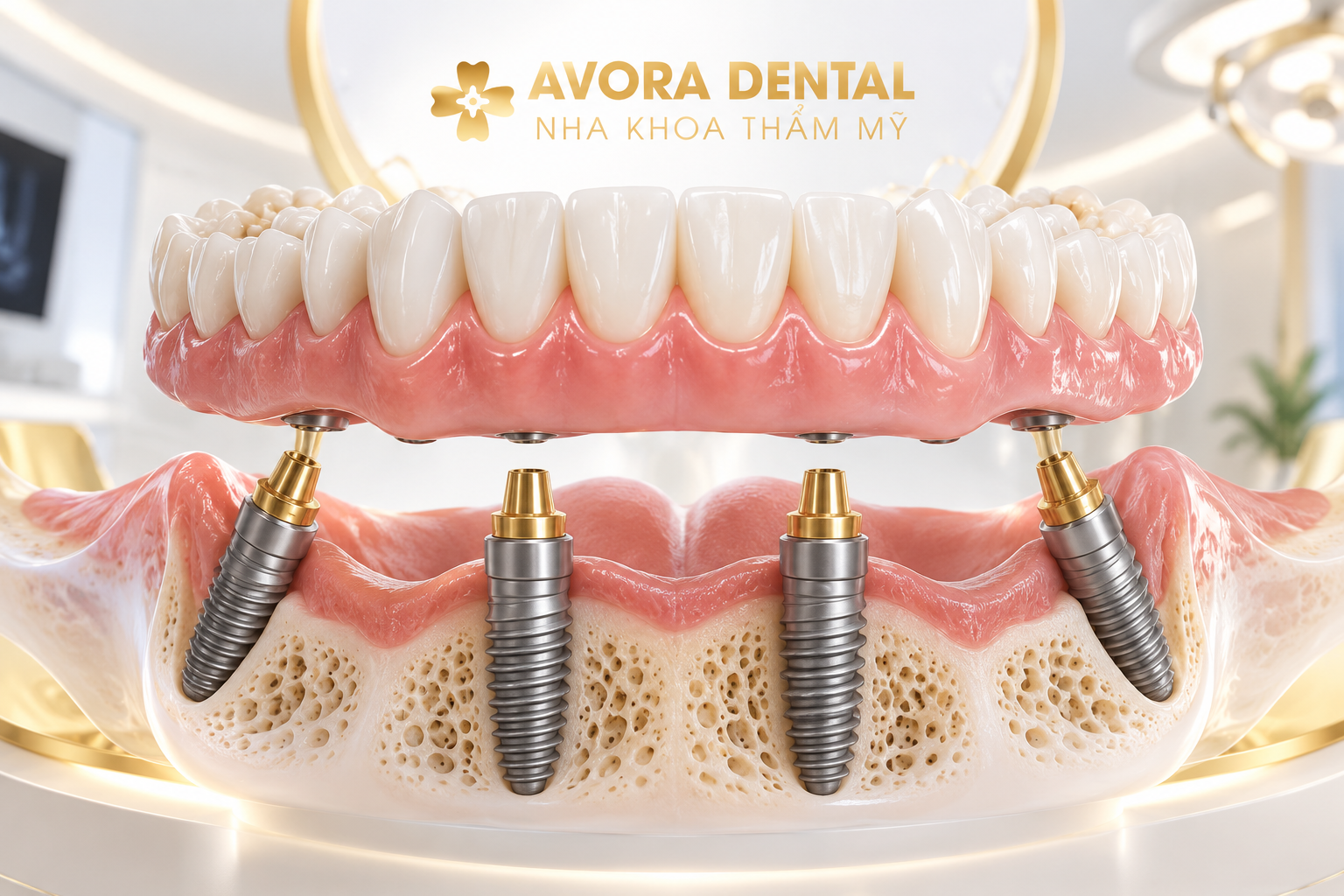
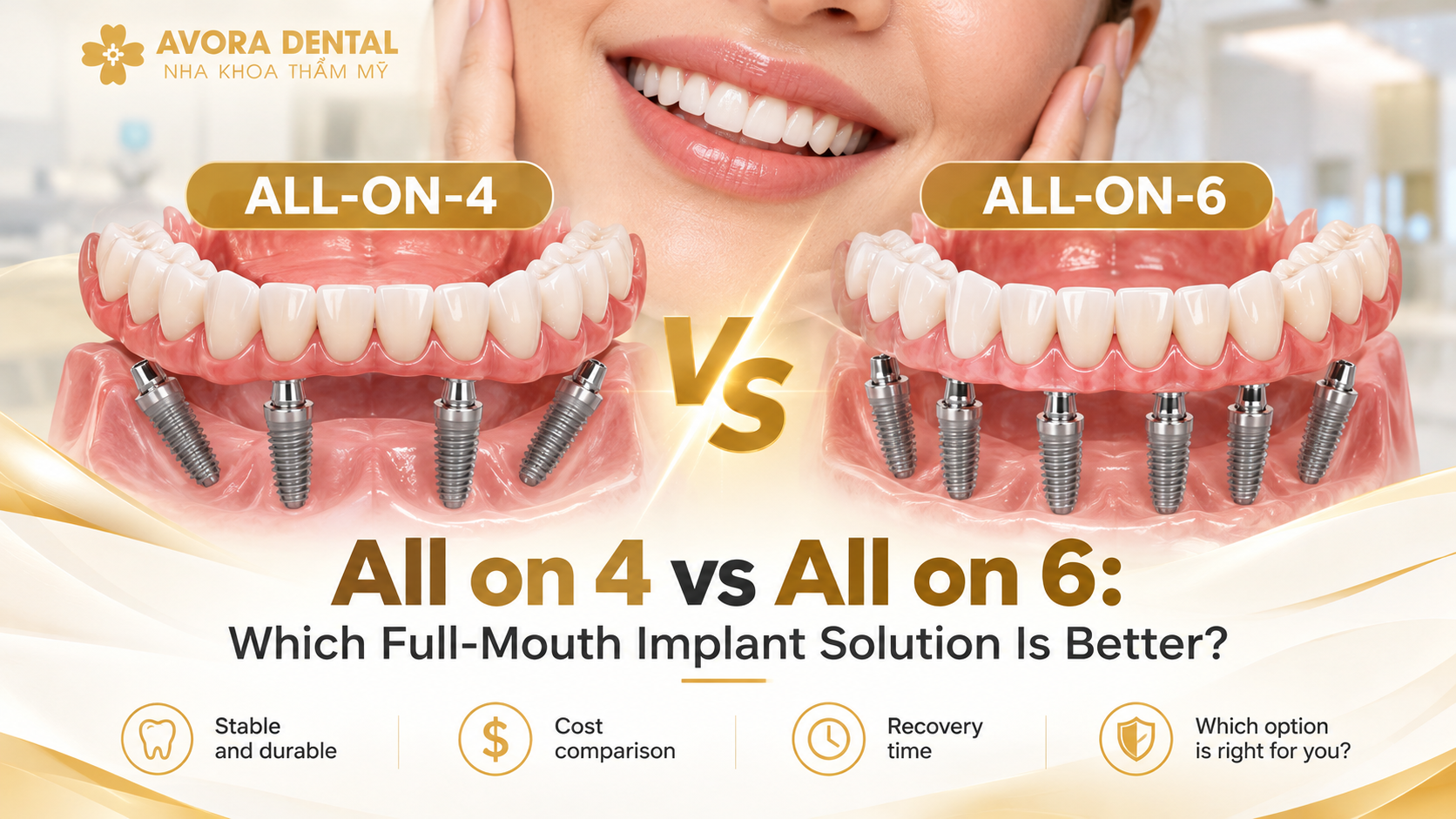
All-on-4 dental implants offer a solution for patients who have lost most or all of their teeth. By supporting a full-arch prosthesis with four strategically positioned dental implants, this treatment can restore dental function and improve the appearance of your smile.
However, while some patients may receive temporary fixed teeth shortly after surgery, complete healing takes considerably longer.
In this comprehensive guide, Avora Dental explains all on 4 recovery time, the different healing stages, common postoperative symptoms, dietary recommendations, and practical tips to support recovery.
1. What Is the Average All on 4 Recovery Time?
The average all on 4 recovery time depends on several factors, including your general health, jawbone condition, surgical complexity, and ability to follow postoperative instructions.
Most patients experience noticeable improvements in swelling and discomfort during the first one to two weeks. However, the deeper healing process, particularly the integration of dental implants with the jawbone, generally takes several months.
All on 4 Recovery Time: General Timeline
| Recovery Stage | Estimated Time | What to Expect |
|---|---|---|
| Initial recovery | First 24–72 hours | Swelling, mild bleeding, and discomfort |
| Early healing | Days 4–7 | Swelling begins to decrease and discomfort improves |
| Soft tissue recovery | Weeks 1–2 | Gum healing progresses and daily activities become easier |
| Continued healing | Weeks 3–6 | Improved comfort and continued tissue recovery |
| Bone integration | Months 2–6 | Dental implants gradually integrate with the jawbone |
| Final restoration | After sufficient healing | Permanent prosthesis may be fitted following clinical evaluation |
These timeframes are general estimates rather than guaranteed milestones.
Patients should understand that all on 4 healing time includes two separate processes: the recovery of the gum tissue and the biological integration of dental implants into the jawbone.
Even when your gums feel comfortable, the implants may still be undergoing osseointegration.
2. All on 4 Recovery Time: Healing Stages Explained
Understanding the different all on 4 recovery stages helps patients recognize normal symptoms and identify when additional dental care may be necessary.
Stage 1: First 24–72 Hours After All-on-4 Surgery
The first three days are usually the most sensitive part of the all on 4 recovery time.
During this period, your body begins responding to the surgical procedure and repairing the affected tissues.
Common symptoms may include:
- Swelling around the gums, cheeks, or jaw.
- Mild bleeding or blood-tinged saliva.
- Tenderness around the surgical sites.
- Temporary difficulty chewing.
- Bruising around the face.
- Mild to moderate postoperative discomfort.
Swelling commonly becomes more noticeable during the first 48–72 hours before gradually improving.
Recovery tips for the first 72 hours:
Apply cold compresses as directed by your dental team, take prescribed medications correctly, and avoid strenuous physical activity.
Patients should also avoid smoking, drinking through straws, and consuming very hot foods immediately after surgery.
Following your dentist’s specific instructions is essential during this early healing period.
Stage 2: Days 4–7 – Swelling and Discomfort Begin to Improve
During the next stage of all on 4 recovery time, many patients begin to feel more comfortable.
Swelling and tenderness generally decrease, allowing patients to gradually return to light daily activities.
However, the surgical sites remain sensitive.
Patients should continue eating soft foods and avoid putting excessive pressure on their temporary dental prosthesis.
Recommended foods during this stage include:
- Mashed potatoes.
- Soft scrambled eggs.
- Yogurt.
- Smooth soups.
- Oatmeal.
- Soft tofu.
- Well-cooked vegetables.
Although patients may begin feeling better, they should not assume that their dental implants have fully healed.
The underlying bone integration process is still in its early stages.
Stage 3: Weeks 1–2 – Early Gum Tissue Healing
For many patients, the first two weeks represent an important milestone in all on 4 dental implants recovery.
By this stage, swelling and discomfort should have improved significantly.
Patients may notice that speaking, smiling, and performing daily activities feel more natural.
If non-dissolvable sutures were used, the dentist may schedule an appointment to remove them.
During this period, patients should continue maintaining proper oral hygiene while avoiding unnecessary pressure on the surgical sites.
It is also important to attend scheduled follow-up appointments so the dental team can evaluate gum healing and check the condition of the temporary prosthesis.
Important: Feeling comfortable after two weeks does not mean the implants are ready for unrestricted chewing.
Stage 4: Weeks 3–6 – Continued Healing and Improved Comfort
During weeks three to six, the all on 4 recovery time enters a more stable phase for many patients.
The gum tissue continues healing, and everyday activities generally become easier.
Patients may experience improvements in:
- Speaking confidence.
- Facial comfort.
- Oral hygiene routines.
- Adaptation to temporary teeth.
- Overall postoperative comfort.
However, dietary restrictions may still apply.
Even if your temporary teeth feel secure, chewing hard or crunchy foods can place excessive forces on healing implants.
Your dentist will determine when it is appropriate to gradually introduce additional foods.
Stage 5: Months 2–6 – Osseointegration and Bone Healing
One of the most important stages of all on 4 recovery time is osseointegration.
Osseointegration refers to the biological process in which the surrounding bone develops a stable connection with the dental implant surface.
This process is essential for long-term implant stability.
According to the American Academy of Periodontology, dental implants require appropriate care and regular dental monitoring to maintain healthy surrounding tissues.
During this healing stage, patients may feel relatively normal even though important biological changes are continuing beneath the gums.
Factors that can influence osseointegration include:
- Jawbone density and quality.
- Implant stability.
- Smoking habits.
- Oral hygiene.
- General health conditions.
- Excessive chewing pressure.
- Postoperative complications.
In many cases, bone integration takes approximately three to six months, although individual healing times can vary.
Stage 6: Final Prosthesis Placement
The final stage of all on 4 recovery time involves evaluating whether the implants have achieved sufficient stability to support the definitive dental prosthesis.
Your dentist may examine the implants, surrounding gum tissue, bite alignment, and overall healing progress.
If healing is satisfactory, the temporary prosthesis can be replaced with a definitive restoration according to the treatment plan.
The final restoration is designed to improve chewing efficiency, appearance, and long-term comfort.
However, the exact timing depends on clinical findings rather than a fixed recovery schedule.
3. How Painful Is All-on-4 Recovery?
Pain is one of the most common concerns among patients researching all on 4 recovery time.
Because All-on-4 treatment involves implant placement and sometimes tooth extraction, some postoperative discomfort is expected.
However, the intensity of pain varies between patients.
What Does Normal Recovery Pain Feel Like?
Patients may experience:
- Tenderness around the implant sites.
- Mild jaw soreness.
- Temporary facial swelling.
- Sensitivity when opening the mouth.
- Discomfort when eating.
These symptoms generally improve as the surgical tissues heal.
Your dentist may prescribe pain medication or recommend appropriate over-the-counter options based on your medical history.
When Should You Contact Your Dentist?
Although mild discomfort is expected, certain symptoms require professional evaluation.
Contact your dental team promptly if you experience:
- Severe pain that continues to worsen.
- Heavy or persistent bleeding.
- Swelling that increases after initially improving.
- Fever or signs of infection.
- Pus or an unpleasant discharge.
- A loose implant or unstable prosthesis.
Difficulty breathing, difficulty swallowing, or rapidly spreading facial swelling requires urgent medical attention.
Recognizing these warning signs is an important part of safe recovery after All-on-4 surgery.
4. What Can You Eat During All on 4 Recovery Time?
Diet plays a major role in protecting dental implants during the healing process.
Following appropriate dietary recommendations can help minimize excessive pressure on the surgical sites.
First Week: Liquid and Very Soft Foods
During the first week of all on 4 recovery time, patients are generally advised to consume foods that require minimal chewing.
Suitable options may include:
- Smooth soups.
- Yogurt.
- Protein shakes.
- Mashed vegetables.
- Soft scrambled eggs.
- Smooth oatmeal.
Foods should be served at a comfortable temperature.
Avoid hard, sticky, or crunchy foods that could irritate the surgical sites.
Weeks 2–6: Soft Foods
As the gums continue healing, patients may gradually introduce additional soft foods with their dentist’s approval.
Examples include:
- Soft pasta.
- Steamed fish.
- Mashed sweet potatoes.
- Soft rice dishes.
- Tofu.
- Tender, well-cooked vegetables.
Patients should avoid chewing directly on hard foods, even if their temporary teeth feel comfortable.
Following Months: Gradual Dietary Progression
During the osseointegration stage, the dental team may recommend continuing a soft-food diet.
The duration depends on implant stability, the type of temporary prosthesis, and the treatment plan.
Patients should not return to unrestricted chewing until their dentist confirms that doing so is appropriate.
Remember: Temporary fixed teeth do not necessarily mean that dental implants can tolerate normal chewing forces immediately after surgery.
5. Factors That Affect All on 4 Recovery Time
Not every patient experiences the same all on 4 recovery time.
Several factors influence how quickly the gums and jawbone heal after surgery.
5.1. Jawbone Quality and Density
Healthy jawbone provides an important foundation for dental implants.
Patients with reduced bone density or significant bone loss may require additional treatment planning.
In certain cases, supplementary procedures can affect the overall recovery timeline.
5.2. General Health Conditions
Certain medical conditions may influence tissue healing and implant integration.
For example, poorly controlled diabetes can increase the risk of complications.
Patients should disclose their medical history and current medications before undergoing implant surgery.
5.3. Smoking and Tobacco Use
Smoking can negatively affect wound healing and increase the risk of implant-related complications.
Patients are strongly encouraged to discuss smoking cessation with their healthcare provider before and after surgery.
5.4. Oral Hygiene Habits
Good oral hygiene helps reduce plaque accumulation and supports healthy tissues around dental implants.
However, patients must follow the dental team’s instructions regarding when and how to clean surgical areas.
5.5. Following Postoperative Instructions
Patients who follow their prescribed recovery plan can reduce avoidable complications.
Important recommendations include attending follow-up appointments, maintaining a suitable diet, taking medications as directed, and avoiding excessive pressure on the implants.
6. How to Speed Up All on 4 Recovery Time Safely
Many patients want to know how to shorten their all on 4 recovery time.
Although the biological healing process cannot be rushed, certain habits can support a smoother recovery.
Maintain Proper Oral Hygiene
Keep your mouth clean according to your dentist’s instructions.
Your dental team may recommend a specific mouth rinse or modified brushing technique during early healing.
Avoid aggressive brushing directly over fresh surgical wounds.
Follow a Balanced Diet
Choose nutritious foods that provide adequate protein, vitamins, and minerals.
A balanced diet supports normal tissue repair and overall health.
Avoid Smoking
Smoking can interfere with healing and increase the risk of implant complications.
Avoiding tobacco is an important step toward protecting your dental implants.
Get Adequate Rest
Rest is particularly important during the first few days after surgery.
Avoid strenuous exercise until your dentist confirms that it is safe to resume.
Attend Follow-Up Appointments
Regular dental examinations allow your dentist to monitor healing and identify potential complications early.
For international patients, a clear follow-up plan is especially important before returning home.
7. All on 4 Recovery Time for International Patients Traveling to Vietnam
Vietnam has become a destination considered by international patients seeking dental implant treatment.
However, patients traveling overseas should understand that all on 4 recovery time may extend well beyond their initial visit.
At Avora Dental, treatment planning should consider both the clinical procedure and the patient’s travel schedule.
How Long Should You Stay in Vietnam After All-on-4 Surgery?
The appropriate length of stay depends on the treatment plan and the patient’s condition.
Some treatment protocols involve placing temporary fixed teeth during the initial visit, followed by a healing period before the definitive restoration.
Patients may need to remain in Vietnam long enough for postoperative evaluation, temporary prosthesis adjustments, and confirmation that early healing is progressing appropriately.
The required stay should be agreed upon with the treating dentist before booking flights.
Can You Fly After All-on-4 Surgery?
Air travel may be possible after dental implant surgery, but the appropriate timing depends on individual circumstances.
Patients who have undergone additional procedures, such as sinus-related surgery or bone grafting, may require specific precautions.
Before traveling, patients should obtain clearance from their dental team.
Will You Need to Return to Vietnam?
Some international patients may require a second visit for definitive prosthesis placement after implant integration.
The number of visits depends on the clinical protocol, healing progress, and restoration type.
Patients should confirm their treatment schedule and follow-up arrangements before beginning treatment.
8. All on 4 Recovery Time vs Traditional Dental Implants
Patients frequently compare All-on-4 treatment with conventional implant-supported restorations.
Although both approaches involve osseointegration, the treatment protocols can differ.
| Feature | All-on-4 Dental Implants | Conventional Implant Treatment |
|---|---|---|
| Number of implants | Typically four per arch | Depends on treatment requirements |
| Temporary teeth | May be placed shortly after surgery | Depends on implant stability and treatment plan |
| Initial soft tissue healing | Often 1–2 weeks | Often 1–2 weeks |
| Bone integration | Generally several months | Generally several months |
| Final restoration | After adequate healing | After adequate healing |
| Overall treatment time | Varies by patient | Varies by patient |
All-on-4 may allow certain patients to receive temporary fixed teeth relatively quickly.
However, this does not eliminate the biological healing period required for implant integration.
Therefore, all on 4 recovery time should not be confused with the time needed to receive temporary teeth.
9. Why Choose Avora Dental for All-on-4 Treatment in Vietnam?
Choosing an appropriate dental clinic is an important part of preparing for implant treatment.
International patients should consider clinical expertise, treatment planning, communication, postoperative care, and long-term follow-up arrangements.
At Avora Dental, patients interested in All-on-4 treatment can seek a consultation to discuss their dental condition and available restoration options.
Personalized Treatment Planning
Every patient has different dental needs.
A clinical examination and appropriate diagnostic imaging can help determine whether All-on-4 is a suitable treatment option.
Clear Recovery Guidance
Understanding all on 4 recovery time before surgery allows patients to prepare their schedules, dietary arrangements, and travel plans.
Patients should receive individualized postoperative instructions based on their treatment.
Treatment Planning for International Patients
International patients may require additional coordination when planning dental treatment overseas.
Discussing the expected healing period, number of appointments, and follow-up requirements can help patients make informed decisions.
Long-Term Implant Maintenance
Successful implant treatment requires ongoing care.
Even after the definitive restoration has been fitted, patients should maintain good oral hygiene and attend regular dental examinations.
10. Frequently Asked Questions About All on 4 Recovery Time
How Long Does All on 4 Recovery Time Usually Take?
Initial recovery commonly takes around one to two weeks, while deeper bone healing and implant integration may take several months.
The exact all on 4 recovery time depends on individual healing and treatment complexity.
Can I Return to Work After All-on-4 Surgery?
Many patients can return to non-strenuous work within several days to approximately one week, depending on their symptoms and the nature of their job.
Patients with physically demanding jobs may require additional recovery time.
When Can I Eat Normally After All-on-4 Implants?
Patients usually begin with soft foods and gradually expand their diet according to their dentist’s recommendations.
Unrestricted chewing should only resume after the treating dentist confirms that the implants and restoration can safely tolerate normal forces.
Is Swelling Normal During All on 4 Recovery Time?
Yes. Swelling is a common response to implant surgery.
It often becomes most noticeable during the first two to three days before gradually decreasing.
Persistent or worsening swelling should be evaluated by a dental professional.
Can All-on-4 Implants Fail During Recovery?
Although dental implant treatment has a strong clinical track record, complications and implant failure can occur.
Potential contributing factors include infection, inadequate implant stability, smoking, certain health conditions, and excessive mechanical forces.
Regular follow-up appointments help monitor healing.
How Long Does It Take for All-on-4 Implants to Integrate With Bone?
Osseointegration generally takes several months.
Some patients may require a longer healing period depending on bone quality, medical conditions, and surgical complexity.
Can I Travel During All on 4 Recovery Time?
Travel may be possible during recovery, but patients should discuss their plans with the treating dentist.
International patients should ensure that postoperative examinations and any necessary prosthesis adjustments have been completed before departure.
11. Final Thoughts: Understanding All on 4 Recovery Time
Understanding all on 4 recovery time is essential for anyone considering full-mouth dental implant treatment.
While many patients experience significant improvements in comfort within the first two weeks, complete implant healing generally requires several months.
The recovery process involves multiple stages, including initial gum healing, reduction of postoperative swelling, bone integration, and final prosthesis placement.
Following postoperative instructions, maintaining good oral hygiene, eating appropriate foods, and attending scheduled dental appointments can support successful healing.
For international patients considering dental treatment in Vietnam, understanding the recovery timeline also helps with travel planning and long-term dental care.
Are you considering All-on-4 dental implants in Vietnam?
Contact Avora Dental to discuss your dental condition, explore suitable treatment options, and receive individualized guidance about the expected recovery process.
Medical disclaimer: This article provides general educational information and does not replace professional dental advice. Recovery timelines vary, and treatment decisions should be made following an examination by a qualified dental professional.