Learn everything about Implant Recovery, including the complete healing timeline, recovery tips, common symptoms, aftercare instructions, and how to ensure successful dental implant healing after surgery.
Table of Contents
ToggleImplant Recovery: Complete Healing Timeline After Dental Implant Surgery
Dental implants have become one of the most reliable solutions for replacing missing teeth, offering excellent aesthetics, stability, and long-term function. However, many international patients are just as concerned about the recovery period as they are about the procedure itself. Understanding Implant Recovery helps patients prepare for every stage of healing, reduce anxiety, and improve treatment outcomes.
Whether you’re planning to receive dental implants in Vietnam or have already scheduled your procedure, this guide explains exactly what to expect after surgery, how long healing takes, what symptoms are normal, and how to care for your implants during recovery.
What Is Implant Recovery?
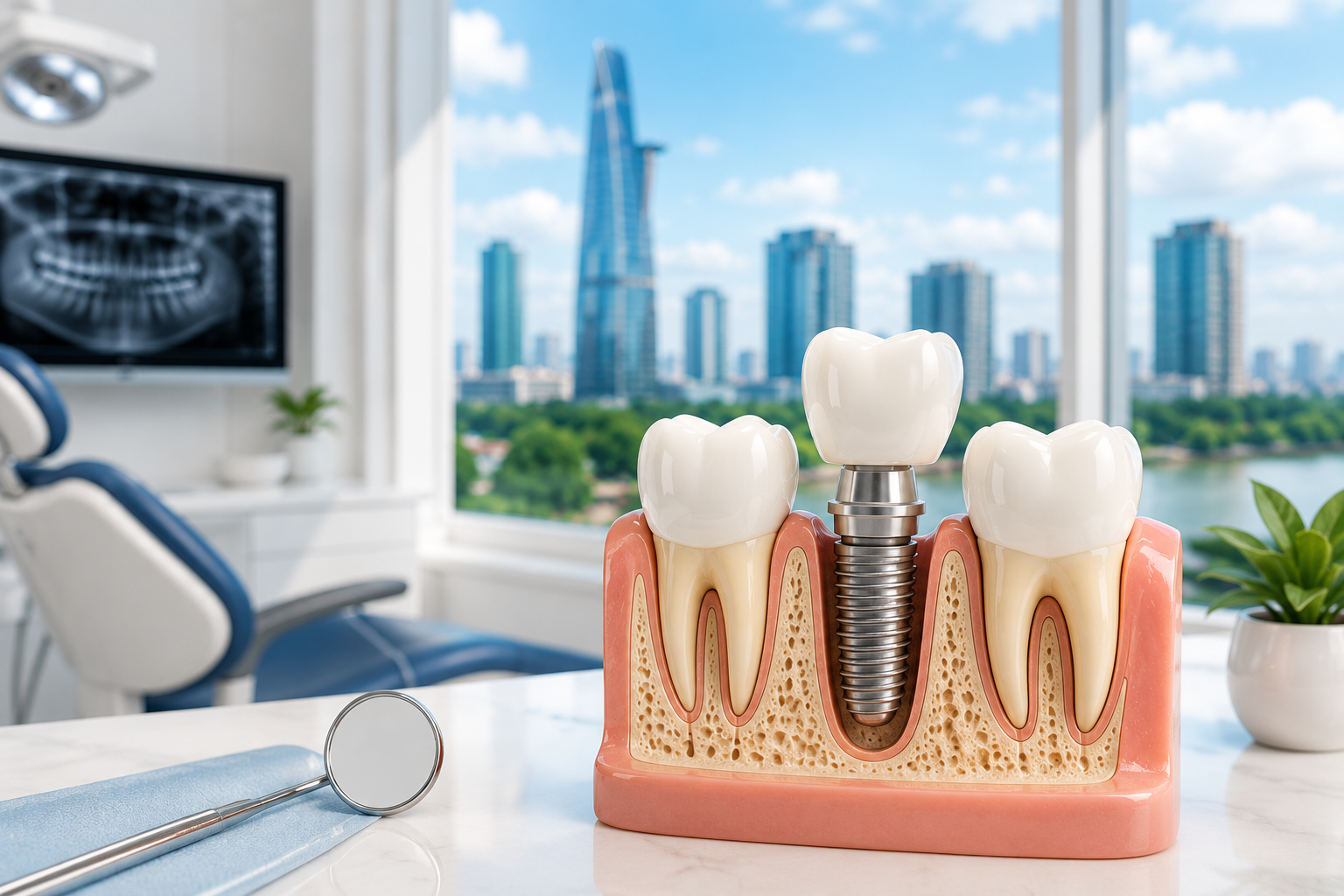
Implant Recovery refers to the healing process following dental implant surgery. During this period, your jawbone gradually fuses with the titanium implant through a biological process called osseointegration. This strong bond allows the implant to function like a natural tooth root.
Recovery occurs in several stages. While most patients feel comfortable within a few days, complete healing beneath the gums usually takes several months.
The speed of Implant Recovery depends on factors such as:
- Overall health
- Bone quality and density
- Smoking habits
- Oral hygiene
- Number of implants placed
- Whether bone grafting or sinus lifting was performed
Implant Recovery Timeline: Week by Week
First 24 Hours
The first day is mainly about controlling bleeding and allowing the surgical site to stabilize.
Normal symptoms include:
- Mild bleeding or blood-tinged saliva
- Swelling
- Minor discomfort
- Numbness from local anesthesia
During this period:
- Bite gently on the provided gauze.
- Apply an ice pack for 15–20 minutes at a time.
- Eat only soft, cool foods.
- Avoid rinsing vigorously.
- Do not drink through a straw.
Most patients are pleasantly surprised that Implant Recovery involves less pain than tooth extraction.
Days 2–3
Swelling generally reaches its peak around the second or third day.
You may notice:
- Mild bruising
- Tightness around the jaw
- Slight difficulty opening your mouth fully
Continue taking prescribed medications exactly as instructed.
Soft foods remain the best choice, including:
- Yogurt
- Mashed potatoes
- Scrambled eggs
- Smooth soups
- Oatmeal
- Smoothies eaten with a spoon
Proper nutrition significantly supports faster Implant Recovery.
Days 4–7
By the end of the first week:
- Swelling begins decreasing
- Most discomfort fades
- Normal daily activities can usually resume
- Gum tissues begin closing around the implant
Many patients return to work within one to three days depending on their occupation.
If non-dissolvable stitches were used, they may be removed around one week after surgery.
Weeks 2–4
This stage often feels uneventful because visible healing progresses quickly.
However, beneath the gums, the implant is beginning to integrate with the jawbone.
Although you may feel completely normal, it is essential not to chew hard foods directly over the implant area.
Remember:
Feeling better does not mean healing is complete.
Months 2–4
This is the most important stage of Implant Recovery.
During osseointegration:
- Bone cells grow around the implant.
- The implant becomes increasingly stable.
- The surrounding tissues mature.
Patients usually experience no discomfort during this period.
Your dentist may schedule follow-up visits to monitor healing with digital X-rays.
Months 3–6
For many patients, healing is now complete.
If the implant has integrated successfully, your dentist can place:
- Abutment
- Final ceramic crown
At this point, the implant functions like a natural tooth.
How Long Does Implant Recovery Take?
Recovery varies from patient to patient.
Typical healing times include:
| Recovery Stage | Typical Time |
|---|---|
| Initial healing | 1–2 weeks |
| Gum healing | 2–4 weeks |
| Osseointegration | 3–6 months |
| Final crown placement | 3–6 months |
Some patients receiving immediate-load implants may receive temporary teeth much sooner, although complete biological healing still follows the same timeline.
What Symptoms Are Normal During Implant Recovery?
Many first-time implant patients worry unnecessarily about common post-operative symptoms.
Normal symptoms include:
- Mild swelling
- Slight bleeding
- Bruising
- Temporary soreness
- Minor jaw stiffness
- Tender gums
These symptoms usually improve steadily during the first week.
Warning Signs You Should Contact Your Dentist
Although complications are uncommon, seek professional advice if you experience:
- Heavy bleeding after 24 hours
- Severe pain that worsens
- Persistent swelling after one week
- Fever
- Pus around the implant
- Loose implant
- Difficulty swallowing
- Persistent numbness
Early treatment can prevent more serious complications.
Best Foods During Implant Recovery
Food choices directly affect healing.
Recommended foods include:
- Greek yogurt
- Cottage cheese
- Mashed sweet potatoes
- Rice porridge
- Steamed fish
- Soft pasta
- Scrambled eggs
- Protein shakes
- Bananas
- Avocados
Avoid:
- Hard nuts
- Ice
- Steak
- Chips
- Sticky candy
- Popcorn
- Alcohol
- Extremely hot beverages
Hydration also plays an important role in Implant Recovery.
How to Speed Up Implant Recovery
While healing cannot be rushed, healthy habits support the body’s natural recovery process.
Follow Every Post-Operative Instruction
Your dentist understands your individual treatment better than anyone.
Never skip medications or follow-up appointments.
Maintain Excellent Oral Hygiene
Gentle brushing prevents bacteria from accumulating.
Many dentists recommend:
- Soft-bristle toothbrush
- Alcohol-free mouthwash
- Saltwater rinses after 24 hours
Good oral hygiene greatly improves Implant Recovery.
Avoid Smoking
Smoking dramatically increases implant failure rates because nicotine reduces blood flow and delays healing.
Many implant specialists recommend avoiding smoking for at least two weeks, though quitting entirely offers the best long-term results.
Get Enough Sleep
The body performs most tissue repair while sleeping.
Aim for:
- 7–9 hours nightly
- Elevated head during the first two nights
Eat Enough Protein
Protein supports:
- Tissue repair
- Bone formation
- Immune function
Excellent options include:
- Eggs
- Fish
- Chicken
- Greek yogurt
- Tofu
Can You Travel During Implant Recovery?
Yes. Many international patients travel to Vietnam specifically for dental implants.
Most patients are medically fit to fly within a few days after uncomplicated implant surgery, but always follow your dentist’s advice based on your individual treatment.
When traveling:
- Bring prescribed medications.
- Avoid strenuous activities.
- Stay hydrated.
- Attend scheduled follow-up appointments before departure whenever possible.
For patients planning a full-mouth rehabilitation or multiple implants, allowing sufficient recovery time in Vietnam ensures better monitoring before returning home.
Does Age Affect Implant Recovery?
Age alone is rarely a limiting factor.
Healthy adults in their 60s and even 70s often experience excellent Implant Recovery.
Factors that influence healing more than age include:
- Diabetes control
- Smoking
- Oral hygiene
- Bone quality
- Nutrition
Frequently Asked Questions About Implant Recovery
Is implant surgery painful?
The procedure itself is performed under local anesthesia, so patients generally feel pressure rather than pain. Mild soreness afterward is usually manageable with prescribed medication.
When can I eat normally again?
Most patients gradually return to a normal diet after several weeks, although very hard foods should be avoided until your dentist confirms the implant is fully integrated.
Can I brush around the implant?
Yes. Gentle brushing is encouraged, taking care not to disturb the surgical site during the first few days.
When can I exercise?
Light walking is generally fine after 24–48 hours, but strenuous exercise should be postponed for several days or until your dentist advises it is safe.
Will I need time off work?
Many office workers return within one to three days. More physically demanding jobs may require additional recovery time.
Why Choose Vietnam for Dental Implant Treatment?
Vietnam has become one of Asia’s leading dental tourism destinations because patients benefit from:
- Modern dental technology
- Internationally trained dentists
- Significant cost savings compared with Australia, the US, Canada, and Europe
- Personalized treatment plans
- Convenient travel options
At Avora Dental, international patients receive comprehensive implant care, from consultation and surgery to restoration and follow-up guidance, ensuring a smooth and comfortable recovery experience.
July & August Special Offer for International Patients
To make your dental journey even more convenient, Avora Dental is currently offering:
Free 4-Star Hotel Accommodation (5 Days / 4 Nights) for patients with a dental treatment plan valued at USD $4,000 or more during the July & August promotion.
This exclusive offer helps overseas patients enjoy a comfortable stay while focusing on a successful Implant Recovery in Vietnam.
Helpful External Resources
For additional evidence-based information about dental implants and recovery, you may find these resources useful:
- American Academy of Implant Dentistry (AAID): https://www.aaid.com/
- Mayo Clinic – Dental Health: https://www.mayoclinic.org/
- National Institute of Dental and Craniofacial Research (NIDCR): https://www.nidcr.nih.gov/
Conclusion
Understanding the Implant Recovery process helps set realistic expectations and gives patients confidence throughout their treatment journey. While initial healing often occurs within one to two weeks, complete integration between the implant and jawbone typically takes three to six months. Following your dentist’s instructions, maintaining excellent oral hygiene, eating a nutritious diet, and attending follow-up visits all contribute to long-term implant success.
If you’re considering dental implants in Vietnam, choosing an experienced clinic and planning adequate recovery time can make your treatment experience smoother and more predictable. With proper care, dental implants can provide decades of comfortable function, a natural appearance, and renewed confidence in your smile.