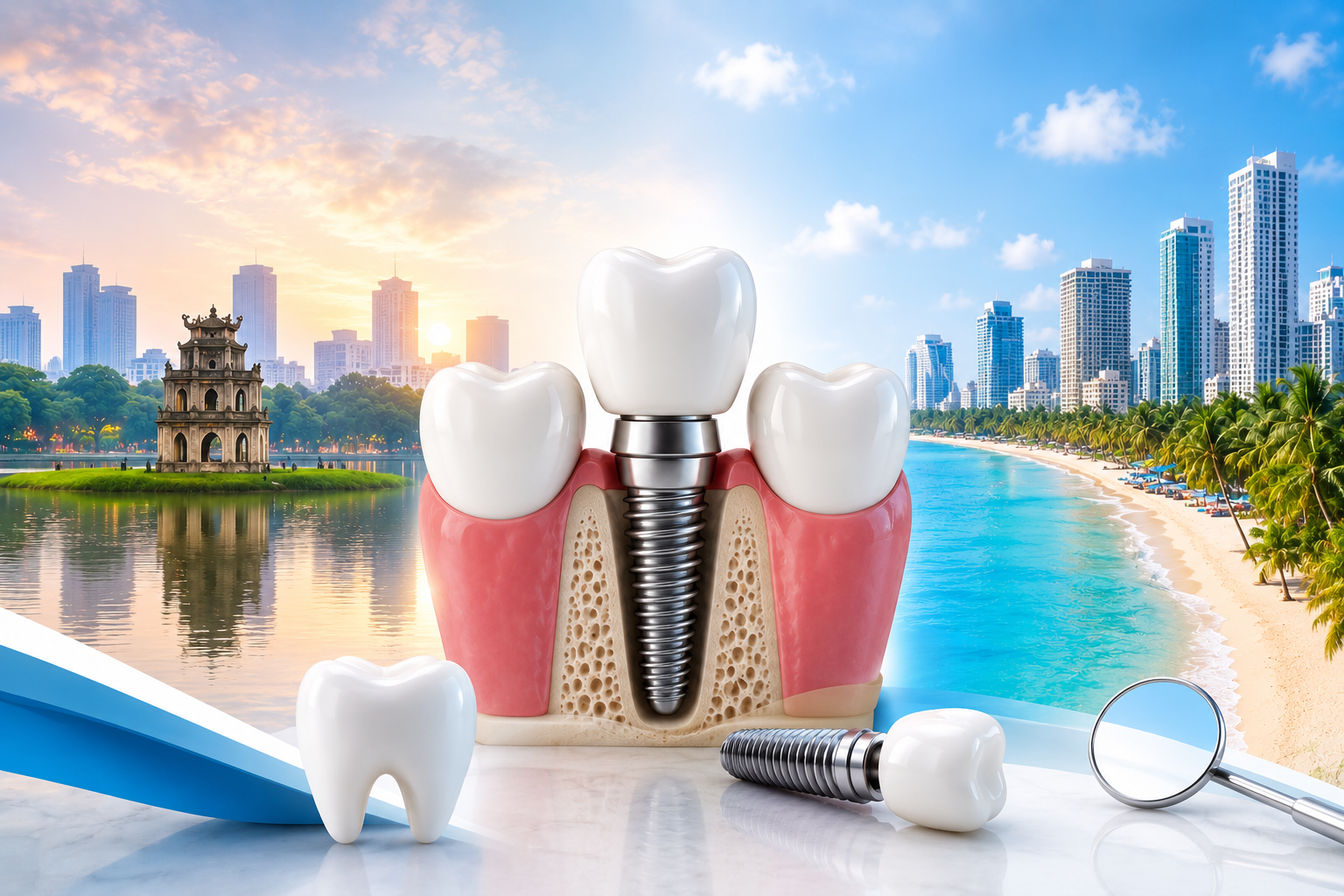
Wondering how long do dental implants last? Learn about implant lifespan, factors affecting durability, maintenance tips, and why international patients choose Vietnam for long-lasting dental implants.
One of the first questions international patients ask before choosing implant treatment is how long do dental implants last. Understanding how long do dental implants last can help patients evaluate the long-term value of dental implants compared to other tooth replacement options. For many people from Australia, Malaysia, and the Philippines, learning how long do dental implants last is an important step before traveling abroad for treatment.
How Long Do Dental Implants Last? A Complete Guide for International Patients
Dental implants have become one of the most reliable and long-lasting solutions for replacing missing teeth. Whether you are from Australia, the Philippines, or Malaysia and considering dental treatment abroad, one of the most common questions you may ask is: how long do dental implants last?
Unlike traditional dentures or dental bridges, implants are designed to function like natural tooth roots and can provide decades of stability when properly maintained. However, their longevity depends on several factors, including oral hygiene, lifestyle habits, and the quality of treatment received.
In this guide, we’ll explore everything international patients need to know about dental implant lifespan, what affects implant durability, and how to maximize your investment in a healthier smile.
When discussing how long do dental implants last, it is important to separate the lifespan of the implant fixture from the dental crown. While many patients search online for how long do dental implants last, the answer varies depending on oral health, lifestyle habits, and the quality of treatment received.
Understanding Dental Implants
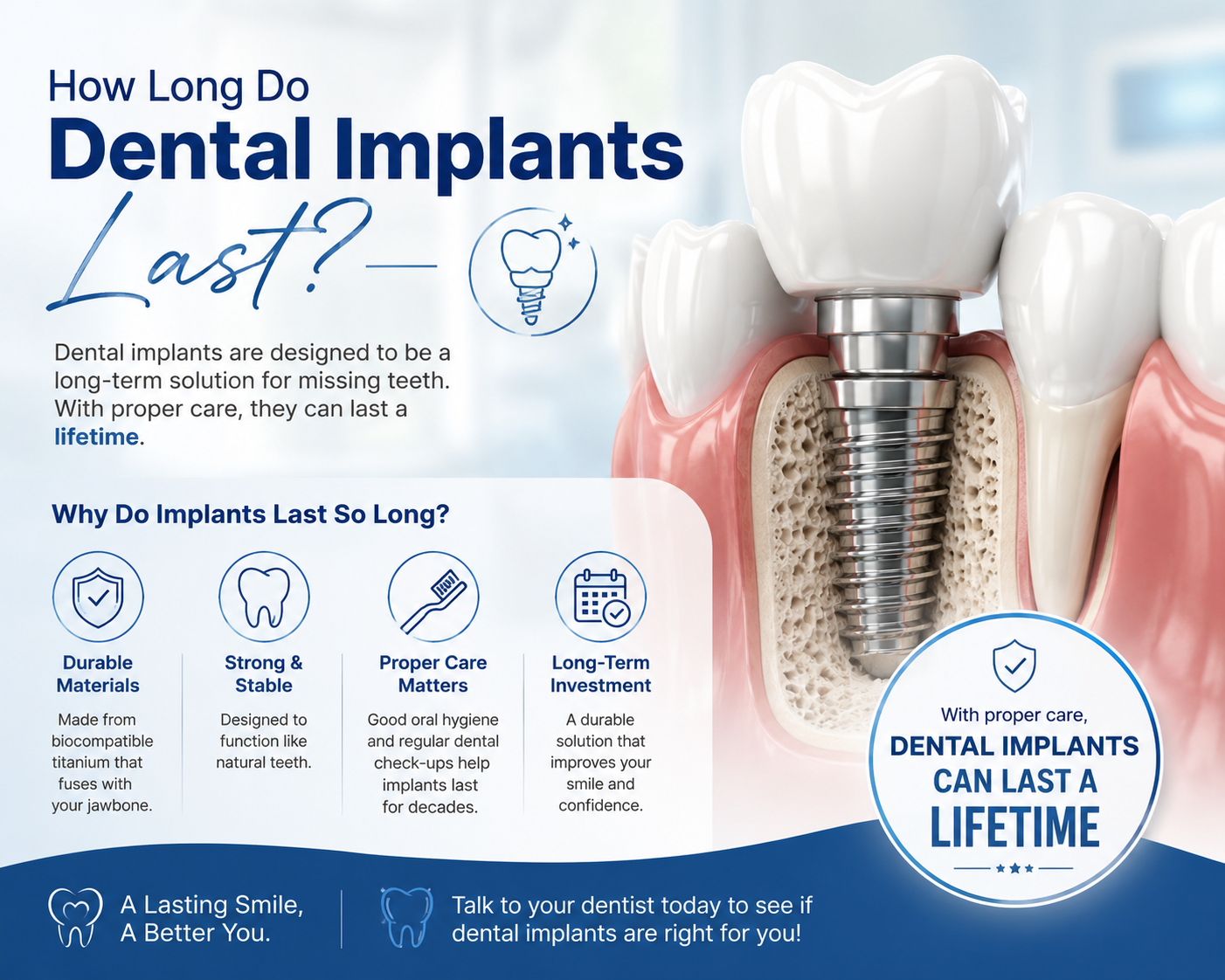
A dental implant consists of three main components:
- The titanium implant fixture placed into the jawbone
- The abutment that connects the implant to the restoration
- The dental crown that replaces the visible portion of the tooth
After placement, the implant integrates with the jawbone through a process called osseointegration. This creates a stable foundation that closely mimics a natural tooth root.
Because implants are made from highly durable materials such as titanium and zirconia, they are designed to withstand years of daily chewing and biting forces.
How Long Do Dental Implants Last?
The answer to how long do dental implants last depends on which component you are referring to.
Implant Fixture
The implant fixture itself can often last 20 years or more, and many patients keep their implants for a lifetime.
Numerous long-term clinical studies have shown implant survival rates exceeding 90% after 10 to 15 years. In many cases, properly placed implants remain functional for 25 years or longer.
Dental Crown
The crown attached to the implant generally has a shorter lifespan than the implant fixture.
Most implant-supported crowns last:
- 10 to 15 years on average
- Up to 20 years with excellent care
- Longer when made from premium materials
The crown may eventually need replacement due to normal wear and tear, but the implant beneath often remains intact.
Factors That Affect How Long Dental Implants Last
While dental implants are highly durable, several factors influence their longevity. Several factors directly influence how long do dental implants last. Patients who maintain excellent oral hygiene and attend regular dental checkups often find that their implants last significantly longer. Understanding these factors can provide a clearer answer to the question of how long do dental implants last for each individual patient.
1. Quality of Implant Placement
The skill and experience of the dental team play a significant role in implant success.
Proper planning includes:
- Comprehensive oral examination
- Digital X-rays and 3D CBCT scans
- Accurate implant positioning
- Evaluation of bone quality and density
Poor placement can increase the risk of complications and reduce implant lifespan.
At Avora Dental, advanced diagnostic technology helps ensure optimal implant positioning for long-term success.
2. Oral Hygiene Habits
One of the biggest factors affecting how long do dental implants last is oral hygiene.
Patients should:
- Brush at least twice daily
- Floss around implants regularly
- Use interdental brushes when recommended
- Attend professional dental cleanings
Although implants cannot develop cavities, the surrounding gum tissue can become infected if plaque accumulates.
3. Smoking
Smoking is a major risk factor for implant failure.
Tobacco use can:
- Reduce blood flow to gum tissues
- Slow healing after surgery
- Increase infection risk
- Contribute to bone loss around implants
Patients who smoke generally experience lower long-term implant success rates compared to non-smokers.
4. Bone Health
Dental implants rely on healthy jawbone support.
Conditions that may affect bone stability include:
- Osteoporosis
- Severe periodontal disease
- Uncontrolled diabetes
- Chronic inflammation
Maintaining overall health can help preserve bone around the implant for many years.
5. Teeth Grinding (Bruxism)
Chronic grinding or clenching places excessive force on implants and crowns.
Patients with bruxism may experience:
- Crown wear
- Loosening of components
- Increased mechanical stress
A custom night guard can help protect implant restorations and extend their lifespan.
6. Diet and Lifestyle
While implants are strong, maintaining healthy habits contributes to long-term success.
Patients should:
- Limit excessive hard food chewing
- Avoid using teeth as tools
- Maintain a balanced diet
- Stay hydrated
Healthy lifestyle choices support gum health and implant stability.
Signs That a Dental Implant Is Healthy
A successful implant should:
- Feel stable when chewing
- Show no movement
- Have healthy surrounding gums
- Cause no pain or discomfort
- Allow normal eating and speaking
Regular checkups help ensure any issues are identified early.
Can Dental Implants Fail?
Although dental implants have excellent success rates, failure is possible.
Early Failure
Early implant failure may occur during the healing phase due to:
- Infection
- Poor osseointegration
- Smoking
- Insufficient bone support
Late Failure
Late failures typically happen years later and may be linked to:
- Peri-implantitis (infection around implants)
- Bone loss
- Trauma
- Excessive bite forces
Fortunately, proper maintenance significantly reduces these risks.
According to the American Academy of Implant Dentistry (AAID), dental implants have a long-term success rate exceeding 95% in many cases.
How to Make Dental Implants Last Longer
Patients often ask not only how long do dental implants last, but also how they can maximize implant longevity.
If you want to maximize your investment, knowing how long do dental implants last is only the beginning. Following your dentist’s instructions and maintaining proper oral care are essential for extending implant longevity. Many patients who ask how long do dental implants last are pleased to learn that implants can function successfully for decades with the right maintenance.
Here are the most important recommendations:
Follow Post-Treatment Instructions
After implant surgery:
- Take prescribed medications
- Avoid smoking
- Follow dietary guidelines
- Attend follow-up appointments
Proper healing creates a strong foundation for long-term success.
Maintain Excellent Oral Hygiene
Daily plaque control remains essential even after implant treatment.
Use:
- Soft-bristle toothbrushes
- Implant-friendly floss
- Water flossers when recommended
Schedule Regular Dental Checkups
Professional examinations allow dentists to:
- Monitor bone levels
- Assess gum health
- Tighten implant components if necessary
- Detect early complications
Most patients benefit from checkups every six months.
Protect Against Teeth Grinding
If you grind your teeth at night, a protective night guard can prevent unnecessary stress on implant restorations.
Why International Patients Choose Vietnam for Dental Implants
Many patients from Australia, Malaysia, and the Philippines are now traveling to Vietnam for implant treatment.
Popular reasons include:
Significant Cost Savings
Dental implant treatment in Vietnam can often cost substantially less than in Australia while maintaining international standards of care.
Modern Technology
Leading clinics utilize:
- CBCT imaging
- Digital treatment planning
- Guided implant surgery
- Premium implant systems
Experienced Implant Dentists
Many Vietnamese implant specialists have received international training and regularly treat overseas patients.
Convenient Dental Tourism
Patients can combine treatment with a relaxing holiday while exploring Vietnam’s culture, cuisine, and attractions.
Are Dental Implants Worth the Investment?
For many patients, the answer is yes.
Compared with dentures and bridges, implants offer:
- Long-term durability
- Natural appearance
- Improved chewing function
- Preservation of jawbone structure
- Enhanced confidence
When maintained correctly, implants often provide decades of reliable function, making them one of the most cost-effective tooth replacement options over time.
Frequently Asked Questions
How long do dental implants last on average?
Most implant fixtures can last 20 years or more, and many remain functional for a lifetime with proper care.
Do dental implants need replacement?
The implant itself may never need replacement, but the crown attached to it may require replacement after 10 to 15 years due to normal wear.
Can implants last 30 years?
Yes. Many patients have implants that continue functioning successfully for 25 to 30 years or longer.
What causes dental implants to fail?
Common causes include poor oral hygiene, smoking, infection, uncontrolled medical conditions, and excessive bite forces.
Is Vietnam a good destination for dental implants?
Vietnam has become a popular destination for international patients seeking quality implant treatment, experienced dentists, and competitive pricing.
How long do dental implants last in healthy patients?
Healthy patients often achieve the best outcomes when it comes to how long do dental implants last. With proper oral hygiene and regular dental visits, dental implants can remain functional for 20 years or more.
How long do dental implants last compared to bridges?
When comparing tooth replacement options, many people ask how long do dental implants last versus dental bridges. In most cases, implants last significantly longer and offer better long-term value.
Final Thoughts
If you are wondering how long do dental implants last, the good news is that modern implants are designed for exceptional longevity. With proper placement, excellent oral hygiene, and regular dental care, many implants can last decades and potentially a lifetime.
For international patients from Australia, the Philippines, and Malaysia, choosing a reputable dental provider is one of the most important factors in achieving long-term implant success. By investing in high-quality treatment and ongoing maintenance, you can enjoy a healthy, confident smile for many years to come.
Ultimately, the answer to how long do dental implants last depends on several individual factors. However, most patients can expect dental implants to provide decades of reliable performance. If you are researching how long do dental implants last before seeking treatment in Vietnam, choosing an experienced implant provider and maintaining excellent oral health will help ensure the best possible long-term results.