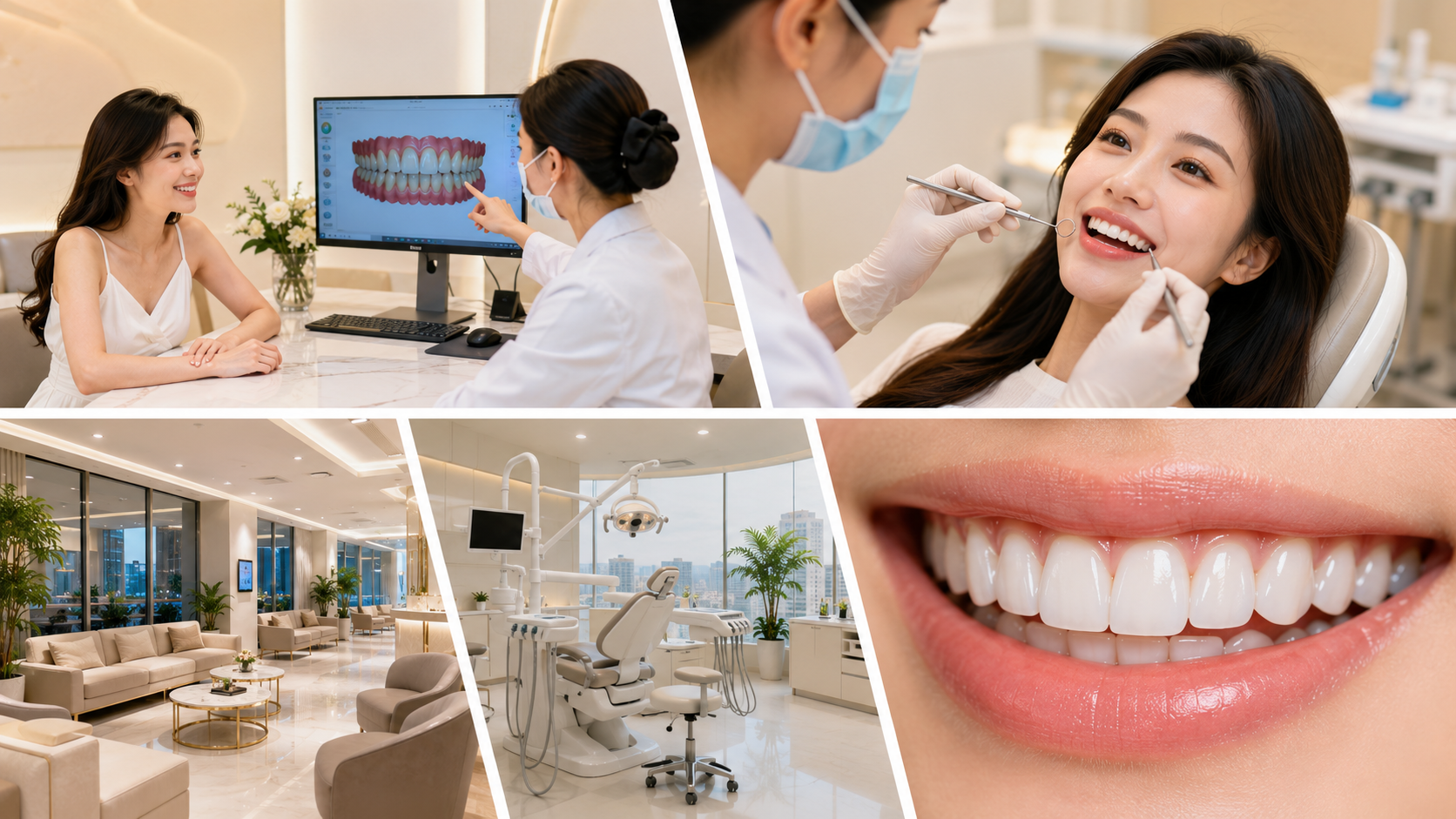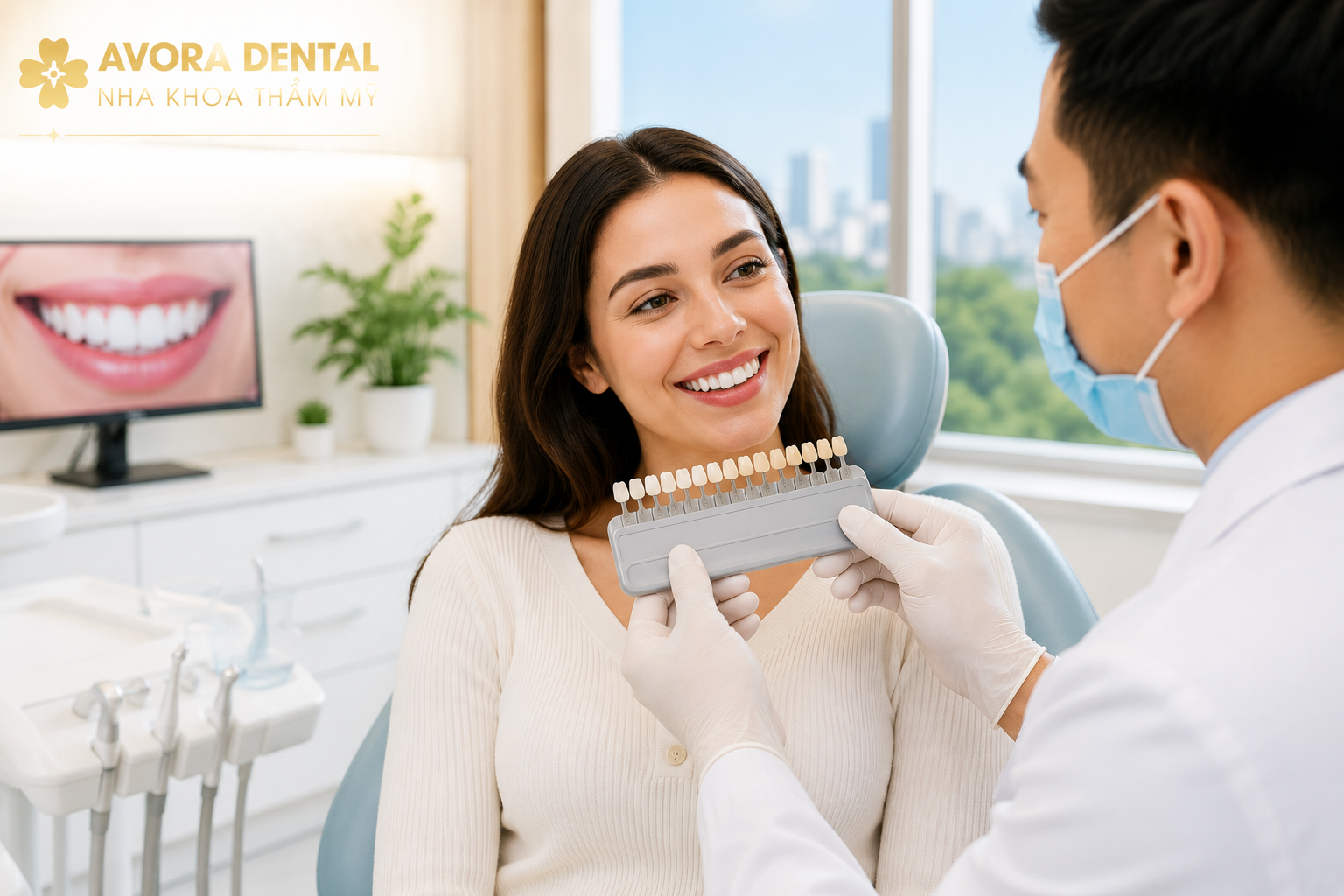
Planning to get veneers abroad? Learn how to prepare for veneers with this complete guide covering dental checks, travel plans, diet, oral care, and recovery tips before treatment.
If you are planning to improve your smile with porcelain veneers, preparation is just as important as the treatment itself. Many international patients focus heavily on choosing the right clinic and veneer material but forget that knowing how to prepare for veneers can significantly improve treatment outcomes, comfort, and long-term satisfaction.
Whether you are travelling to Vietnam for a smile makeover or receiving treatment locally, understanding how to prepare for veneers will help ensure a smoother process and a more predictable result.

Why Is It Important to Prepare for Veneers?
Porcelain veneers are one of the most popular cosmetic dental treatments because they can correct discoloration, chips, gaps, uneven teeth, and mild misalignment while preserving natural tooth structure.
However, veneers are still a medical procedure that requires planning and assessment. Patients who properly prepare for veneers often experience:
• Shorter treatment times
• Better veneer fit and aesthetics
• Reduced risk of complications
• Faster adaptation after placement
• Longer-lasting results
For international patients visiting Vietnam for dental tourism, preparation is even more important because treatment schedules are usually more condensed than in domestic cases.
Schedule a Comprehensive Dental Examination
The first step to prepare for veneers is having a complete dental examination.
Your dentist needs to evaluate:
• Gum health
• Existing fillings or crowns
• Tooth structure and enamel thickness
• Bite alignment
• Signs of teeth grinding
• Presence of decay or infection
If gum disease or cavities are present, these issues should be treated before veneer preparation begins.
At Avora Dental, international patients are encouraged to send recent dental photos, X-rays, or CT scans before arrival whenever possible. This allows the dental team to assess suitability and prepare an accurate treatment plan before the patient travels to Vietnam.
Discuss Your Smile Goals Clearly
Another important step when you prepare for veneers is understanding exactly what you want your new smile to look like.
Consider the following questions:
• Do you want a natural appearance or a Hollywood smile?
• Would you prefer brighter white shades or more subtle colours?
• How many teeth are included in your smile line?
• Are there specific shapes or celebrity smiles you admire?
Many patients bring inspiration photos to their consultation. This helps dentists better understand expectations and create veneers that suit facial proportions, lip shape, and personality.
The more information you provide before treatment, the more customized the final result will be.
Treat Any Existing Dental Problems First
Many patients are surprised to learn they cannot immediately proceed with veneers.
Before you prepare for veneers, your mouth should be healthy and stable.
Common treatments required before veneers include:
• Professional cleaning
• Filling cavities
• Treating gum inflammation
• Replacing old defective restorations
• Root canal treatment if necessary
Ignoring underlying dental problems can shorten veneer lifespan and compromise aesthetics.
Healthy gums are especially important because veneers are designed to blend seamlessly with the gum line.
Avoid Teeth Whitening Before Consultation
Many patients believe whitening their teeth before veneers is beneficial.
In reality, dentists usually recommend waiting.
When you prepare for veneers, your dentist will select veneer colour based on surrounding natural teeth. Whitening before consultation may create temporary colour changes that make shade matching more difficult.
If whitening is desired for non-treated teeth, your dentist will usually recommend completing whitening before final shade selection for the veneers.
Inform Your Dentist About Teeth Grinding
Bruxism, also known as teeth grinding, is extremely common among adults.
If you grind your teeth during sleep, informing your dentist is an essential part of how to prepare for veneers.
Excessive grinding forces can increase the risk of:
• Chipping
• Cracking
• Premature veneer wear
Patients with bruxism may require:
• Stronger veneer materials such as zirconia
• Bite adjustments
• Protective night guards
Early disclosure helps dentists create a more durable treatment plan.
Improve Your Oral Hygiene Routine
One of the simplest ways to prepare for veneers is improving oral hygiene before treatment.
Dentists typically recommend:
• Brushing twice daily
• Flossing every day
• Using fluoride toothpaste
• Reducing sugary snacks and drinks
• Scheduling professional cleaning if overdue
Healthy gums create a better foundation for cosmetic dentistry and improve final aesthetics.
Patients who maintain excellent oral hygiene generally enjoy longer-lasting veneer results.
Avoid Smoking Before and After Treatment
Smoking negatively affects both healing and gum health.
If possible, patients should reduce or stop smoking before veneer treatment.
Smoking can contribute to:
• Gum inflammation
• Delayed healing
• Staining around veneer margins
• Increased risk of periodontal disease
If you are trying to prepare for veneers, reducing smoking is one of the most beneficial changes you can make for long-term oral health.
Plan Your Travel Schedule Carefully
For international patients visiting Vietnam, travel planning is a major part of how to prepare for veneers.
Most veneer treatments require approximately:
Day 1: Consultation, examination, digital scans, smile design and preparation.
Day 2 to Day 4: Laboratory fabrication of veneers.
Day 5: Final fitting and bonding.
Day 6 onwards: Follow-up evaluation if required.
Although timelines vary depending on complexity, patients should ideally allow flexibility in their schedule rather than booking flights immediately after treatment.
This provides time for final adjustments and ensures maximum comfort before returning home.
Eat Before Your Appointment
Patients often ask whether they should eat before veneer preparation appointments.
The answer is yes.
After local anaesthetic is administered, chewing may feel uncomfortable for several hours.
A balanced meal before treatment helps maintain energy levels during longer appointments, especially for patients receiving multiple veneers in a single session.
Prepare for Temporary Sensitivity
Some patients experience mild sensitivity after tooth preparation.
This is completely normal and usually temporary.
When you prepare for veneers, it helps to understand that sensitivity to:
• Cold drinks
• Hot beverages
• Sweet foods
may occur for a short period before permanent veneers are bonded.
Dentists often recommend avoiding extremely hot or cold foods during this phase.
Arrange Accommodation for a Comfortable Recovery
Many dental tourists underestimate the importance of comfortable accommodation during treatment.
Rest, convenience, and reduced travel stress all contribute to a better overall experience.
To support international patients, Avora Dental is currently running a special promotion during July and August:
Free 4-Star Hotel Accommodation for 5 Days and 4 Nights for patients with dental treatment plans valued at USD 4,000 or more.
This program allows patients to focus entirely on treatment and recovery while enjoying a comfortable stay in Ho Chi Minh City.
The offer is especially valuable for patients receiving veneers combined with implants, crowns, or full smile makeover treatments.
Prepare Questions Before Your Consultation
Patients who prepare questions in advance often feel more confident about treatment decisions.
Consider asking:
• Which veneer material is recommended?
• How long will the veneers last?
• What maintenance is required?
• Are night guards necessary?
• What foods should be avoided after treatment?
Having clear answers helps set realistic expectations and improves patient satisfaction.
Mental Preparation Matters Too
Cosmetic dentistry changes not only your smile but often your confidence as well.
Some patients need a short adjustment period as they become familiar with their new appearance.
This is completely normal.
By understanding the treatment process and setting realistic expectations, patients who prepare for veneers emotionally and practically often report higher satisfaction with their final results.
According to the recommendations from the American Dental Association, patients considering veneers should undergo a comprehensive dental examination before treatment to ensure their gums and natural teeth are healthy enough to support long-term results. Taking the time to properly prepare for veneers can improve treatment outcomes, reduce potential complications, and help veneers last significantly longer with proper maintenance and oral hygiene.
Final Thoughts
Learning how to prepare for veneers is one of the most important steps in achieving a successful smile transformation.
From dental examinations and oral hygiene improvements to travel planning and accommodation arrangements, proper preparation helps reduce stress and improve treatment outcomes.
For international patients travelling to Vietnam, preparation becomes even more valuable because it allows treatment to proceed efficiently within a limited travel schedule.
If you are considering veneers in Vietnam, taking the time to properly prepare for veneers today can help you enjoy a healthier, more beautiful smile for many years to come.