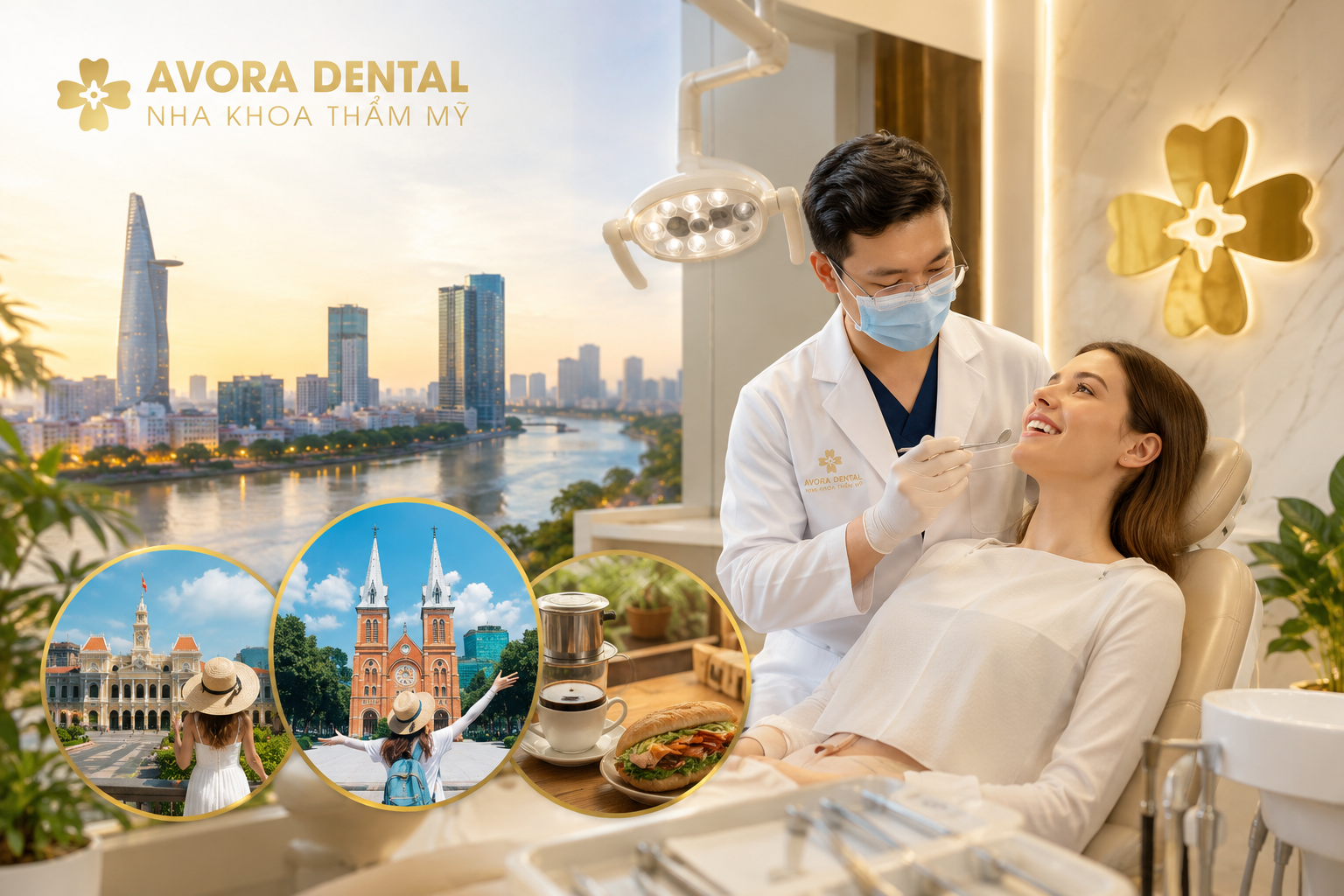
Are you looking for dental crowns in Vietnam to restore damaged teeth or improve your smile? Dental crowns are a widely used restorative dentistry solution that can help protect weakened teeth, improve their appearance, and restore everyday chewing function.
For international patients, understanding the different types of dental crowns, treatment procedures, potential costs, and aftercare requirements is essential before making a decision.
At Avora Dental, we believe that patients should feel informed and confident when exploring dental treatment options. This guide explains everything you need to know about dental crowns in Vietnam, from choosing suitable materials to maintaining your new smile.
What Are Dental Crowns?
A dental crown is a custom-made restoration designed to cover the visible portion of a damaged or weakened tooth. It helps restore the tooth’s shape, size, strength, and appearance.
Porcelain dental crowns are particularly popular in cosmetic dentistry because they can closely resemble natural teeth in color and translucency.
Dentists may recommend dental crowns for several reasons:
- Protecting teeth weakened by extensive decay or fractures.
- Restoring teeth that have been significantly worn down.
- Supporting teeth following root canal treatment when clinically necessary.
- Improving the appearance of certain discolored or misshapen teeth.
- Restoring dental implants with a suitable crown.
However, dental crowns are not necessary for every cosmetic concern. Less invasive treatments, such as whitening, bonding, or veneers, may be more appropriate depending on the condition of your natural teeth.

Why Consider Dental Crowns in Vietnam?
Vietnam has become an option for international patients exploring dental treatment abroad. Patients may consider dental crowns in Vietnam for several reasons.
1. A Range of Dental Restoration Options
Dental clinics in Vietnam may offer several crown materials, including zirconia, lithium disilicate ceramics, porcelain-fused-to-metal, and other all-ceramic restorations.
Each material has different characteristics in terms of appearance, durability, thickness requirements, and suitability.
2. Potentially Competitive Treatment Costs
One reason international patients research dental crowns in Vietnam is the possibility of lower treatment costs compared with some other countries.
However, the total price depends on the crown material, tooth condition, diagnostic requirements, additional procedures, and the individual clinic.
Patients should request a detailed treatment estimate rather than choosing a provider based solely on advertised prices.
3. Opportunities to Combine Dental Care With Travel
For visitors already staying in Vietnam, arranging dental consultations during their trip may be convenient.
Nevertheless, crown treatment should be planned around clinical needs rather than a holiday schedule. Some cases require multiple appointments, laboratory fabrication, additional treatment, or follow-up visits.
Types of Dental Crowns Available
Choosing the right type of dental crown is one of the most important steps in achieving a functional and natural-looking result.
Zirconia Dental Crowns
Zirconia crowns are made from a strong ceramic material frequently used in restorative dentistry.
Advantages:
- High resistance to fracture.
- Metal-free construction.
- Suitable for many posterior restorations.
- Available in different aesthetic formulations.
Zirconia crowns may be particularly useful for teeth exposed to substantial chewing forces. However, suitability depends on the patient’s bite, available tooth structure, and aesthetic requirements.
All-Ceramic and Porcelain Crowns
All-ceramic crowns are commonly selected when natural-looking aesthetics are a priority.
They can offer excellent color matching and translucency, especially for visible front teeth.
Lithium disilicate is one example of a ceramic material used for aesthetic dental restorations.
The best material depends on the individual tooth and the clinical situation.
Porcelain-Fused-to-Metal Crowns
Porcelain-fused-to-metal (PFM) crowns combine a metal substructure with a porcelain outer layer.
They have a long history of clinical use and may be appropriate in selected restorative cases.
However, their aesthetic properties can differ from those of modern all-ceramic restorations, particularly near the gumline.
Dental Crown Procedure: Step-by-Step
Understanding the dental crown procedure can help international patients prepare for treatment.
Step 1: Dental Consultation and Examination
The dentist examines your teeth, gums, bite, and overall oral health.
Dental X-rays or other diagnostic procedures may be recommended when clinically appropriate.
The dentist then discusses whether a crown is necessary and which restorative material may be suitable.
Step 2: Tooth Preparation
If a conventional crown is selected, the dentist carefully reshapes the tooth to create sufficient space for the restoration.
Local anesthesia is commonly used to minimize discomfort.
The amount of tooth structure removed depends on the crown design, material, and existing tooth condition.
Because conventional crown preparation is generally irreversible, patients should understand the alternatives before proceeding.
Step 3: Digital Scan or Dental Impression
The dentist takes a digital scan or conventional impression to capture the shape of the prepared tooth and surrounding teeth.
These records are used to create a customized dental crown.
Step 4: Crown Fabrication
The crown is manufactured using the selected dental material.
Depending on the clinic’s technology and laboratory workflow, fabrication may occur on the same day or require additional appointments.
A temporary crown may be provided while the permanent restoration is being made.
Step 5: Final Crown Placement
Once the crown is ready, the dentist checks its fit, color, bite, and contact with neighboring teeth.
The restoration is then secured using an appropriate dental cement or bonding protocol.
Further bite adjustments may be necessary to improve comfort and function.
How Much Do Dental Crowns Cost in Vietnam?
The cost of dental crowns in Vietnam varies according to several factors:
- Type and quality of restorative material.
- Complexity of tooth preparation.
- Need for root canal treatment or other procedures.
- Dental laboratory and fabrication techniques.
- Clinic location and treatment plan.
- Number of teeth requiring restoration.
For international patients, it is important to confirm exactly what is included in a treatment quotation.
A comprehensive estimate should clarify whether consultation fees, imaging, temporary crowns, laboratory costs, and follow-up appointments are included.
At Avora Dental, patients can request an individualized consultation to better understand their available dental crown options and associated treatment costs.
How Long Do Dental Crowns Last?
Dental crowns can remain functional for many years, but their lifespan varies significantly.
According to the Cleveland Clinic’s dental crown guide, dental crowns often last approximately 5–15 years, although some may last longer with appropriate care.
Factors affecting crown longevity include:
- Daily oral hygiene.
- Tooth grinding or clenching.
- Chewing habits.
- Quality of the remaining natural tooth.
- Crown material and clinical fit.
- Regular dental examinations.
A crown does not prevent decay from developing around the underlying tooth. Maintaining healthy gums and cleaning around the crown margins remain essential.
Dental Crowns vs Veneers: Which Is Better?
Both dental crowns and veneers can improve the appearance of teeth, but they serve different clinical purposes.
Dental crowns cover the entire visible portion of a prepared tooth and are generally used when substantial structural restoration or protection is required.
Dental veneers usually cover the front surface of a tooth and are commonly considered for selected cosmetic concerns.
For patients with healthy teeth who mainly want to improve color or shape, veneers or other conservative treatments may preserve more natural tooth structure.
A dental examination is necessary to determine which treatment is appropriate.
How to Care for Your Porcelain Dental Crowns
Proper aftercare plays an important role in protecting your restoration and supporting long-term oral health.
Maintain Good Oral Hygiene
Brush twice daily using fluoride toothpaste and clean between your teeth every day.
Pay particular attention to the gumline surrounding each dental crown.
Avoid Excessive Pressure
Avoid using your teeth to open packaging or bite extremely hard objects.
If you grind your teeth at night, your dentist may recommend a protective night guard.
Attend Regular Dental Checkups
Routine dental visits help identify potential issues involving crown margins, gum health, bite alignment, and underlying teeth.
Seek Advice if You Experience Problems
Contact your dentist if your crown feels loose, causes persistent pain, or interferes with your bite.
Early assessment can help prevent further complications.
Are Dental Crowns Safe?
Dental crowns are an established restorative treatment when appropriately planned and performed.
However, as with other dental procedures, potential complications include tooth sensitivity, gum irritation, crown fracture, loosening, decay around the crown, and problems involving the tooth nerve.
Not every patient is a suitable candidate. Active gum disease, untreated decay, insufficient tooth structure, or significant bite problems may require additional management.
The American Dental Association’s MouthHealthy website provides further patient education on dental treatments and oral health.
Why Explore Dental Crown Treatment at Avora Dental?
Choosing a dental clinic is an important decision, especially when receiving treatment outside your home country.
At Avora Dental, we encourage international patients to begin with a consultation focused on their individual oral health, aesthetic preferences, and treatment expectations.
When exploring dental crowns in Vietnam, patients should ask about:
- The dentist’s qualifications and restorative dentistry experience.
- Available dental crown materials.
- Diagnostic and treatment planning procedures.
- Estimated treatment duration.
- Full treatment costs.
- Follow-up care and management of possible complications.
Our goal is to help patients understand their treatment options and make informed decisions about their dental health.
Frequently Asked Questions About Dental Crowns in Vietnam
1. Is getting dental crowns in Vietnam painful?
Dental crown preparation is typically performed under local anesthesia. Some temporary sensitivity or discomfort may occur afterward, but experiences vary.
2. How many appointments are needed for dental crowns?
Conventional dental crown treatment often requires two or more appointments. Same-day crowns may be possible in selected cases when the appropriate technology and clinical conditions are available.
3. Can dental crowns look like natural teeth?
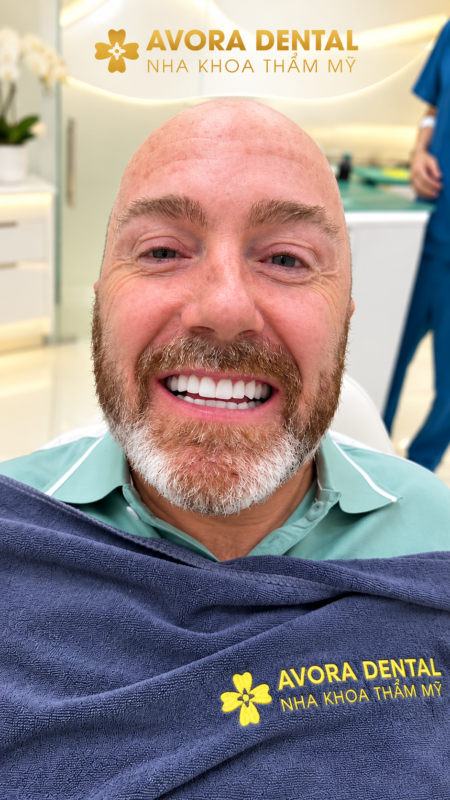
Yes. Modern ceramic crowns can be customized to closely match natural tooth color and shape. The final appearance depends on the material, underlying tooth, laboratory work, and clinical technique.
4. Can I get dental crowns during a short visit to Vietnam?
Possibly, depending on the condition of your teeth and the proposed treatment. International patients should allow sufficient time for assessment, fabrication, adjustments, and any necessary follow-up care.
5. Are porcelain crowns better than zirconia crowns?
Neither material is universally better. The appropriate choice depends on the location of the tooth, chewing forces, aesthetic goals, and other clinical factors.
Final Thoughts: Choosing Dental Crowns in Vietnam
Dental crowns in Vietnam may be worth considering for patients seeking to restore damaged teeth, improve chewing function, or address specific aesthetic concerns.
Understanding the differences between crown materials, treatment procedures, potential risks, and long-term maintenance can help you make a more informed decision.
The best results begin with a personalized clinical assessment and a treatment plan that prioritizes the health of your natural teeth.
Interested in dental crowns at Avora Dental?
Contact Avora Dental to arrange a consultation and learn more about the restorative dentistry options that may be suitable for your smile.
Medical disclaimer: This article provides general dental health information and does not replace an examination, diagnosis, or personalized treatment recommendation from a qualified dentist.