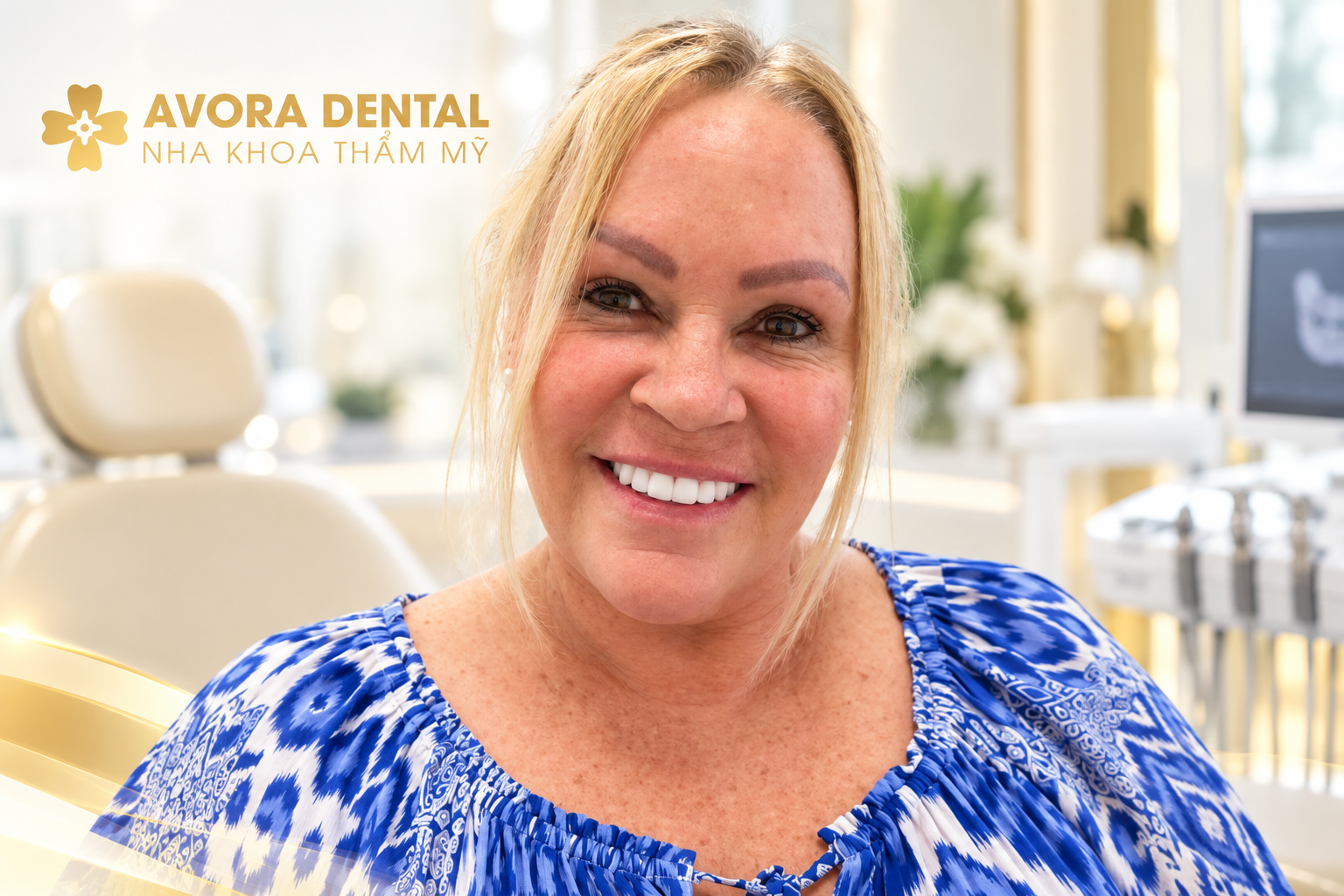
Are you considering zirconia dental crowns to restore damaged teeth or improve your smile? Zirconia crowns have become a popular option in modern restorative dentistry thanks to their strength, metal-free composition, and natural-looking appearance.
For international patients exploring dental treatment in Vietnam, understanding the advantages, limitations, and costs of zirconia dental crowns can help make the decision easier.
At Avora Dental, we believe that a beautiful smile should begin with healthy teeth and a treatment plan tailored to each patient’s needs.
In this guide, we’ll explore everything you need to know about zirconia dental crowns, including how they work, their benefits, the treatment process, and how to care for them.
What Are Zirconia Dental Crowns?
Zirconia dental crowns are tooth-shaped restorations made from zirconium dioxide, a durable ceramic material widely used in dentistry.
Unlike traditional porcelain-fused-to-metal crowns, zirconia crowns do not contain a metal framework.
They are designed to cover a prepared tooth, helping restore its shape, strength, and chewing function while improving its appearance.
Zirconia dental crowns may be recommended for:
- Teeth weakened by extensive decay.
- Cracked or fractured teeth requiring protection.
- Teeth with large restorations and limited remaining structure.
- Certain teeth following root canal treatment.
- Dental implant restorations.
- Selected aesthetic concerns where a full crown is clinically justified.
Although zirconia crowns offer several benefits, not every tooth requires a crown. A qualified dentist should evaluate whether a less invasive restoration would be more appropriate.
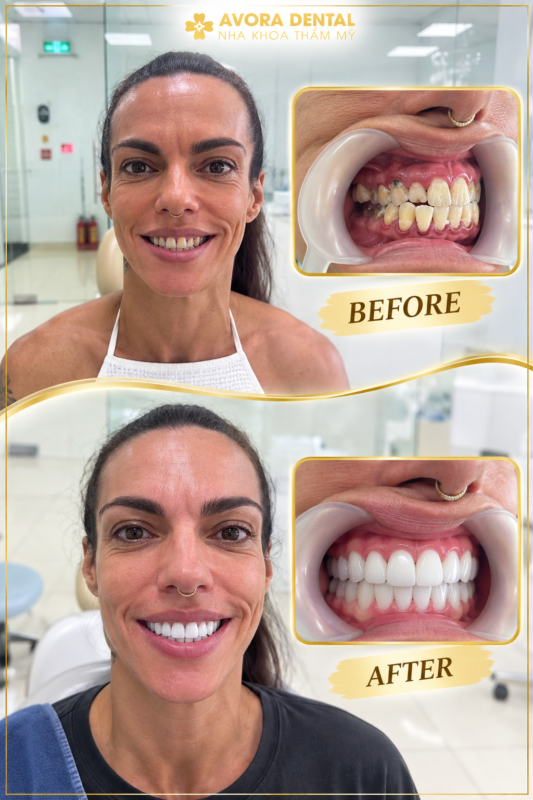
5 Benefits of Zirconia Dental Crowns
1. High Strength and Durability
One of the main reasons patients choose zirconia dental crowns is their mechanical strength.
Zirconia has excellent resistance to fracture, making it suitable for many teeth exposed to substantial chewing forces.
This is particularly relevant for molars and premolars, which experience greater pressure during eating.
However, no dental restoration is completely resistant to damage. Tooth grinding, improper bite alignment, and excessive force can still affect crown longevity.
2. Natural-Looking Appearance
Modern zirconia dental crowns are available in different shades and translucency levels.
Dentists can select materials that complement the patient’s natural tooth color and overall smile.
Highly translucent zirconia can provide attractive aesthetic results, although certain glass ceramics may offer different optical characteristics.
The most suitable material depends on the tooth’s location and the desired appearance.
3. Metal-Free Restoration
Zirconia dental crowns are metal-free, making them an option for patients who prefer restorations without a metal framework.
Unlike some traditional metal-based crowns, zirconia does not produce a visible dark metal margin.
Nevertheless, the final gumline appearance also depends on the condition of the surrounding tissues and the restoration’s design.
4. Suitable for Front and Back Teeth
Different formulations of zirconia can be used for anterior and posterior restorations.
For front teeth, the dentist may prioritize translucency and shade matching.
For back teeth, mechanical strength and resistance to chewing forces may be particularly important.
Choosing the correct zirconia material is essential because strength and translucency vary between products.
5. Potential for Long-Term Function
With appropriate planning, fabrication, placement, and maintenance, zirconia crowns can provide many years of function.
Their long-term performance depends on oral hygiene, bite forces, tooth condition, and regular dental care.
Zirconia Dental Crowns vs. Porcelain Crowns
Patients frequently ask whether zirconia dental crowns are better than porcelain crowns.
The answer depends on the clinical situation.
| Feature | Zirconia Crowns | Other All-Ceramic Crowns |
|---|---|---|
| Strength | Generally high | Varies by ceramic type |
| Appearance | Natural-looking, varies by formulation | Some offer greater translucency |
| Metal-free | Yes | Yes |
| Back teeth | Often suitable | Depends on material and case |
| Front teeth | Suitable in selected cases | Often suitable |
| Longevity | Depends on clinical and patient factors | Depends on clinical and patient factors |
Zirconia crowns are not automatically superior to other ceramic restorations.
For some front teeth, lithium disilicate restorations may provide aesthetic advantages. For posterior teeth, certain zirconia formulations may be preferred because of their strength.
At Avora Dental, patients should discuss material selection with their dentist before beginning treatment.
Zirconia Dental Crown Procedure: Step by Step
Understanding the zirconia dental crown procedure can help patients prepare for their appointments.
Step 1: Initial Dental Consultation
The process begins with an examination of your teeth, gums, bite, and overall oral health.
Your dentist may recommend dental X-rays or other diagnostic assessments.
The consultation also provides an opportunity to discuss aesthetic expectations and possible alternatives.
Step 2: Tooth Preparation
If a zirconia crown is appropriate, the dentist reshapes the tooth to create space for the restoration.
Local anesthesia is usually provided to reduce discomfort.
Because this process generally involves irreversible removal of natural tooth structure, the decision should be based on clinical need.
Step 3: Digital Scanning or Impression
The dentist records the shape and position of the prepared tooth using a digital scanner or traditional dental impression.
These measurements help the dental laboratory create a customized zirconia crown.
Step 4: Crown Fabrication
The zirconia restoration is manufactured using dental laboratory techniques, often involving computer-aided design and manufacturing.
The fabrication timeline depends on the clinic’s equipment, laboratory arrangements, and treatment complexity.
A temporary restoration may be placed while the permanent crown is being prepared.
Step 5: Final Placement
Once the zirconia crown is ready, the dentist checks its fit, shape, color, and bite.
The crown is then secured using an appropriate cementation or bonding technique.
Your dentist will explain how to maintain the restoration and whether follow-up appointments are necessary.
How Much Do Zirconia Dental Crowns Cost in Vietnam?
The zirconia crown cost in Vietnam depends on several factors, including:
- Zirconia material and manufacturer.
- Tooth position and treatment complexity.
- Condition of the remaining natural tooth.
- Need for additional dental procedures.
- Laboratory fabrication methods.
- Clinic-specific pricing.
Patients should be cautious when comparing dental crown prices online because advertised fees may not include all necessary services.
For international patients, a written quotation can help clarify the total expected cost before treatment begins.
Interested in zirconia dental crowns at Avora Dental? Contact our team to request information about available treatment options and an individualized cost estimate.
How Long Do Zirconia Dental Crowns Last?
The zirconia crown lifespan varies between patients.
Although zirconia is a strong material, the survival of a crown depends on more than the ceramic itself.
Important factors include:
- Quality of tooth preparation and crown placement.
- Health of the underlying tooth.
- Gum condition and oral hygiene.
- Teeth grinding or clenching.
- Regular professional dental examinations.
- Daily eating and chewing habits.
A zirconia crown may last many years, but there is no guaranteed lifespan.
The Cleveland Clinic explains that dental crowns commonly last around 5–15 years, with some lasting longer depending on care and other factors.
Are Zirconia Dental Crowns Safe?
Zirconia is an established dental restorative material with a history of clinical use.
However, crown treatment can still involve risks such as:
- Temporary tooth sensitivity.
- Gum irritation.
- Crown loosening or fracture.
- Bite discomfort.
- Decay developing around crown margins.
- Possible complications involving the underlying tooth.
Zirconia dental crowns should be recommended only after a proper clinical assessment.
Patients can find additional general oral health information through the American Dental Association’s MouthHealthy resource.
How to Care for Zirconia Dental Crowns
Good oral hygiene and appropriate habits can help maintain the health of your crowned teeth.
Brush Twice Daily
Use fluoride toothpaste and a soft-bristled toothbrush to clean your teeth and gumline.
Floss Every Day
Clean between your teeth daily to remove plaque from areas that a toothbrush cannot easily reach.
Avoid Biting Extremely Hard Objects
Avoid chewing ice or using your teeth to open packaging.
These habits may damage dental restorations or natural teeth.
Manage Teeth Grinding
If you grind or clench your teeth, discuss protective options with your dentist.
A custom night guard may be recommended in suitable cases.
Schedule Regular Dental Checkups
Routine dental examinations help identify early signs of decay, gum problems, or restoration damage.
Why Consider Avora Dental for Zirconia Dental Crowns?
Choosing a dental provider is an important part of your treatment journey.
At Avora Dental, we encourage patients to explore their restorative options carefully and understand the benefits and limitations of each procedure.
For international patients considering zirconia dental crowns in Vietnam, it is especially important to discuss:
- Dental crown material options.
- Individual treatment requirements.
- Expected appointment schedules.
- Transparent treatment quotations.
- Aftercare recommendations.
- Follow-up arrangements after returning home.
Our approach to patient education focuses on helping individuals make informed choices about their oral health and smile.
Frequently Asked Questions About Zirconia Dental Crowns
Are zirconia dental crowns better than traditional porcelain crowns?
Not necessarily. Zirconia offers high strength, while other ceramic materials may provide different aesthetic characteristics. The best option depends on the individual tooth and clinical requirements.
Do zirconia dental crowns look natural?
Yes. Modern zirconia materials can be customized to closely resemble natural teeth, although results depend on shade selection, material properties, and clinical technique.
Is getting a zirconia crown painful?
Local anesthesia is commonly used during tooth preparation. Temporary sensitivity or discomfort may occur afterward.
Can zirconia crowns become stained?
Zirconia restorations are generally resistant to surface discoloration, but deposits and staining can still accumulate. Regular cleaning remains important.
Can zirconia dental crowns be whitened?
Dental whitening treatments do not change the intrinsic color of zirconia crowns. If you are considering whitening your natural teeth, discuss the timing with your dentist before selecting the crown shade.
How many visits are needed for zirconia crowns?
Many conventional crown treatments involve two or more visits, although the exact number depends on the clinical situation and fabrication workflow.
Final Thoughts: Are Zirconia Dental Crowns Right for You?
Zirconia dental crowns can be an effective restorative option for patients with damaged, weakened, or heavily restored teeth.
Their strength, metal-free composition, and aesthetic versatility make them suitable for a range of dental applications.
However, the best dental treatment is not always the most extensive one. Preserving healthy natural tooth structure should remain an important consideration.
At Avora Dental, we encourage patients to seek professional guidance before choosing a dental restoration.
Ready to explore zirconia dental crowns in Vietnam?
Contact Avora Dental to arrange a consultation and learn more about the treatment options available for your individual dental needs.
Medical disclaimer: This article is intended for general educational purposes and does not replace personalized dental advice, diagnosis, or treatment from a qualified dental professional.