Dental implant recovery is an essential part of successful tooth replacement treatment. Whether you are considering your first dental implant or preparing for surgery, understanding the healing process can help you feel more confident and make informed decisions.
Dental implants are a popular option for replacing missing teeth because they can restore chewing function, support natural-looking restorations, and provide long-term stability.
However, successful implant treatment does not end when the implant is placed. Proper healing, good oral hygiene, and professional follow-up are important for long-term results.
At Avora Dental, we believe patients should understand every stage of their dental treatment. This guide explains the dental implant recovery timeline, common symptoms, aftercare recommendations, and warning signs that require professional attention.
What Is Dental Implant Recovery?
Dental implant recovery refers to the healing period following the surgical placement of a dental implant into the jawbone.
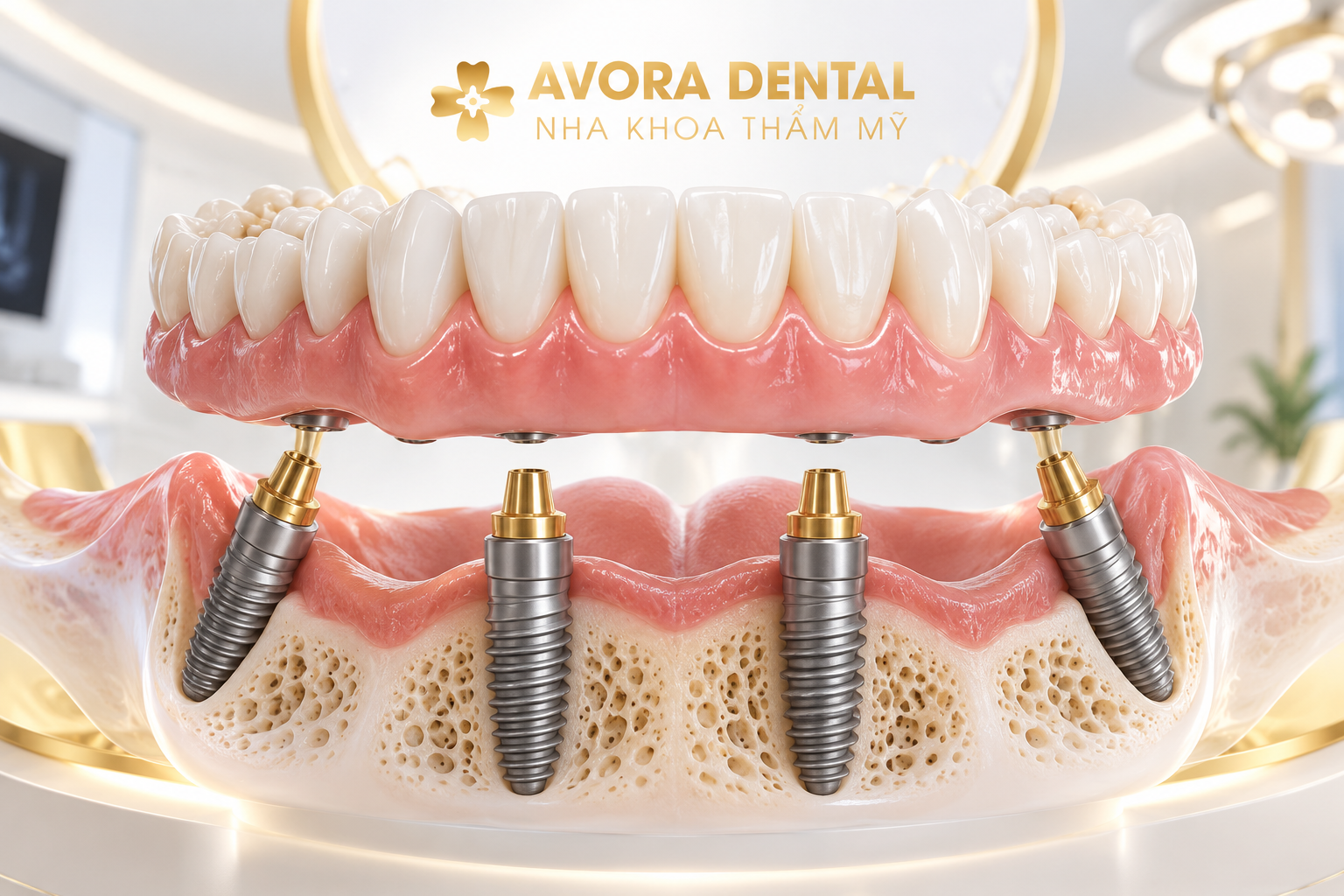
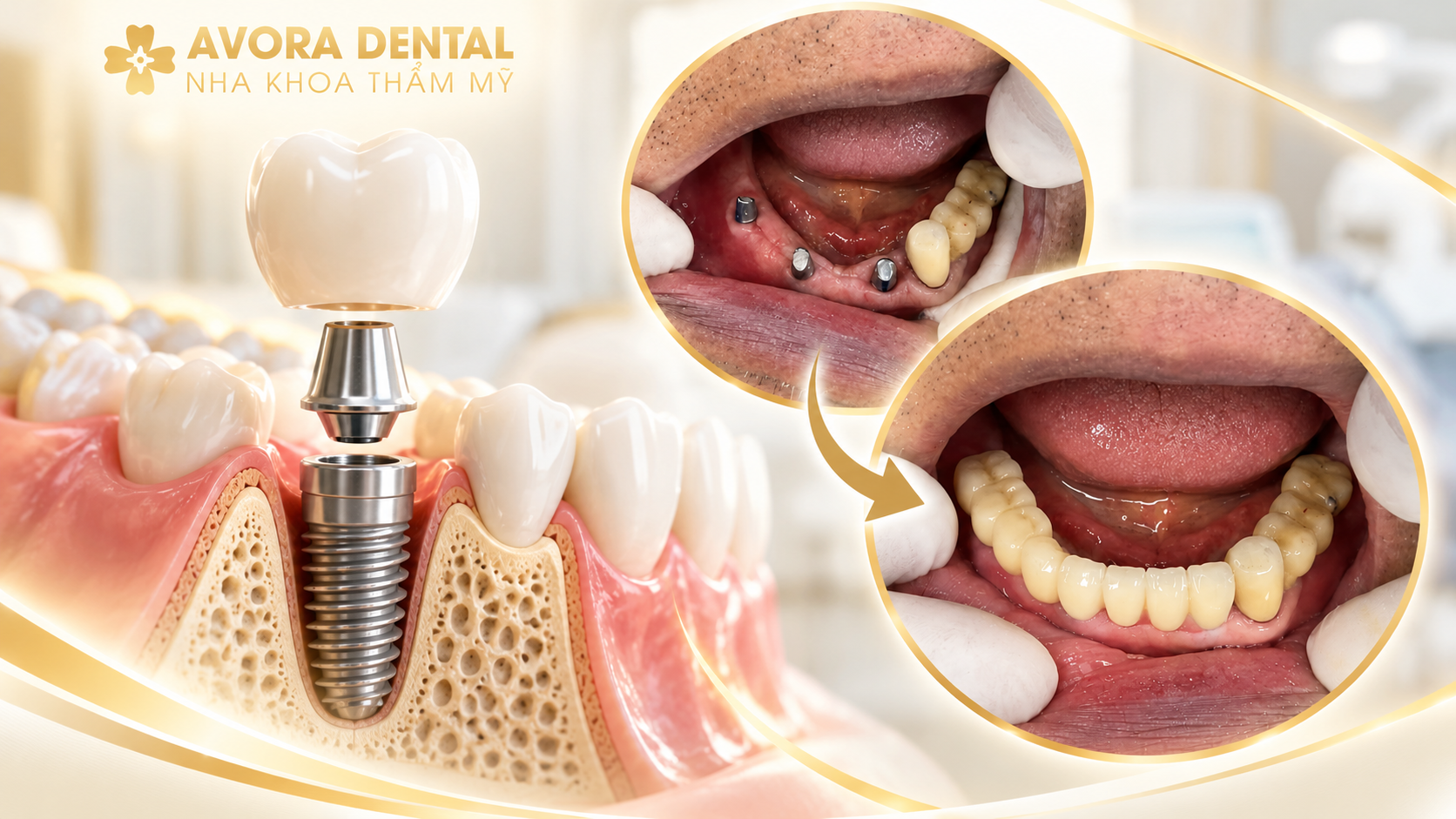
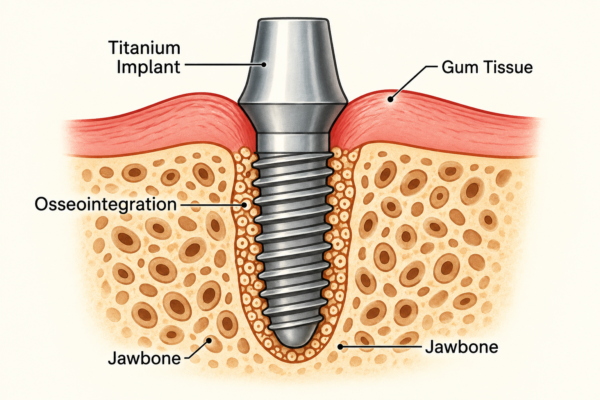
During this time, the surrounding gum tissue heals while the implant gradually integrates with the jawbone through a biological process called osseointegration.
Dental implant recovery involves two important stages:
- Soft tissue healing: The gums and surrounding tissues recover from the surgical procedure.
- Bone integration: The jawbone gradually forms a stable connection with the implant surface.
Although initial discomfort often improves within several days, complete bone integration usually takes much longer.
The dental implant healing time varies depending on the patient’s health, bone condition, surgical complexity, and whether additional procedures were performed.
Dental Implant Recovery Timeline: Step by Step
Understanding the dental implant recovery timeline can help patients prepare for each stage of healing.
First 24 Hours After Dental Implant Surgery
The first day is particularly important for protecting the surgical site.
During the initial 24 hours, patients may experience mild bleeding, swelling, tenderness, and discomfort.
These symptoms are generally expected after oral surgery, although their severity varies.
Your dentist may recommend:
- Resting and avoiding strenuous activities.
- Eating cool or lukewarm soft foods.
- Taking prescribed medications as directed.
- Avoiding smoking and alcohol.
- Avoiding vigorous rinsing or spitting.
- Applying a cold compress according to postoperative instructions.
Following your dentist’s instructions is essential during early dental implant recovery.
Days 2–3: Swelling and Tenderness
Swelling may become more noticeable during the first two to three days after implant surgery.
Some patients may also experience bruising or temporary difficulty chewing.
Discomfort should generally remain manageable with the recommended pain relief measures.
Patients should continue eating soft foods and avoid putting excessive pressure on the surgical area.
If swelling becomes severe, rapidly increases, or is accompanied by fever or worsening pain, contact your dentist promptly.
Days 4–7: Early Gum Healing
During this stage of dental implant recovery, swelling and discomfort often begin to improve.
The gum tissue continues healing around the surgical site.
Patients may gradually return to normal daily activities, depending on their dentist’s advice and the complexity of the procedure.
However, hard foods and activities that could disturb the surgical area should still be avoided.
Weeks 1–2: Soft Tissue Recovery
For many patients, the gums show substantial healing within approximately one to two weeks.
If non-dissolvable stitches were used, the dentist may arrange an appointment to remove them.
Even when the gums appear healed, the implant may not yet be fully integrated with the jawbone.
Patients should avoid assuming that the implant is ready for unrestricted chewing simply because discomfort has disappeared.
Months 2–6: Bone Integration
One of the most important stages of dental implant recovery is osseointegration.
During this process, bone tissue forms a stable connection with the implant surface.
The healing period often lasts several months, but it can be shorter or longer depending on individual circumstances.
Patients who require bone grafting, sinus augmentation, or other additional procedures may need a longer treatment timeline.
Final Restoration and Long-Term Healing
Once the dentist confirms that the implant is ready for restoration, the final crown, bridge, or denture can be attached.
Some patients receive immediate or early restorations, but these approaches require appropriate clinical conditions and careful control of chewing forces.
After the final restoration, regular maintenance remains essential to protect the implant and surrounding tissues.
What Affects Dental Implant Healing Time?
Several factors can influence the length and quality of dental implant recovery.
1. Overall Health
Certain medical conditions, particularly those that affect healing or immune function, may increase the risk of complications.
Patients should provide their dentist with an accurate medical history and current medication list.
2. Jawbone Quality and Quantity
Adequate bone support is important for implant stability.
Patients with insufficient bone may require additional procedures before or during implant placement.
3. Smoking and Tobacco Use
Smoking can interfere with wound healing and is associated with increased implant complications.
Patients should discuss smoking cessation with their healthcare provider before surgery.
4. Oral Hygiene
Good oral hygiene helps reduce plaque accumulation and supports healthy tissues.
However, the surgical site must be cleaned carefully according to the dentist’s instructions.
5. Surgical Complexity
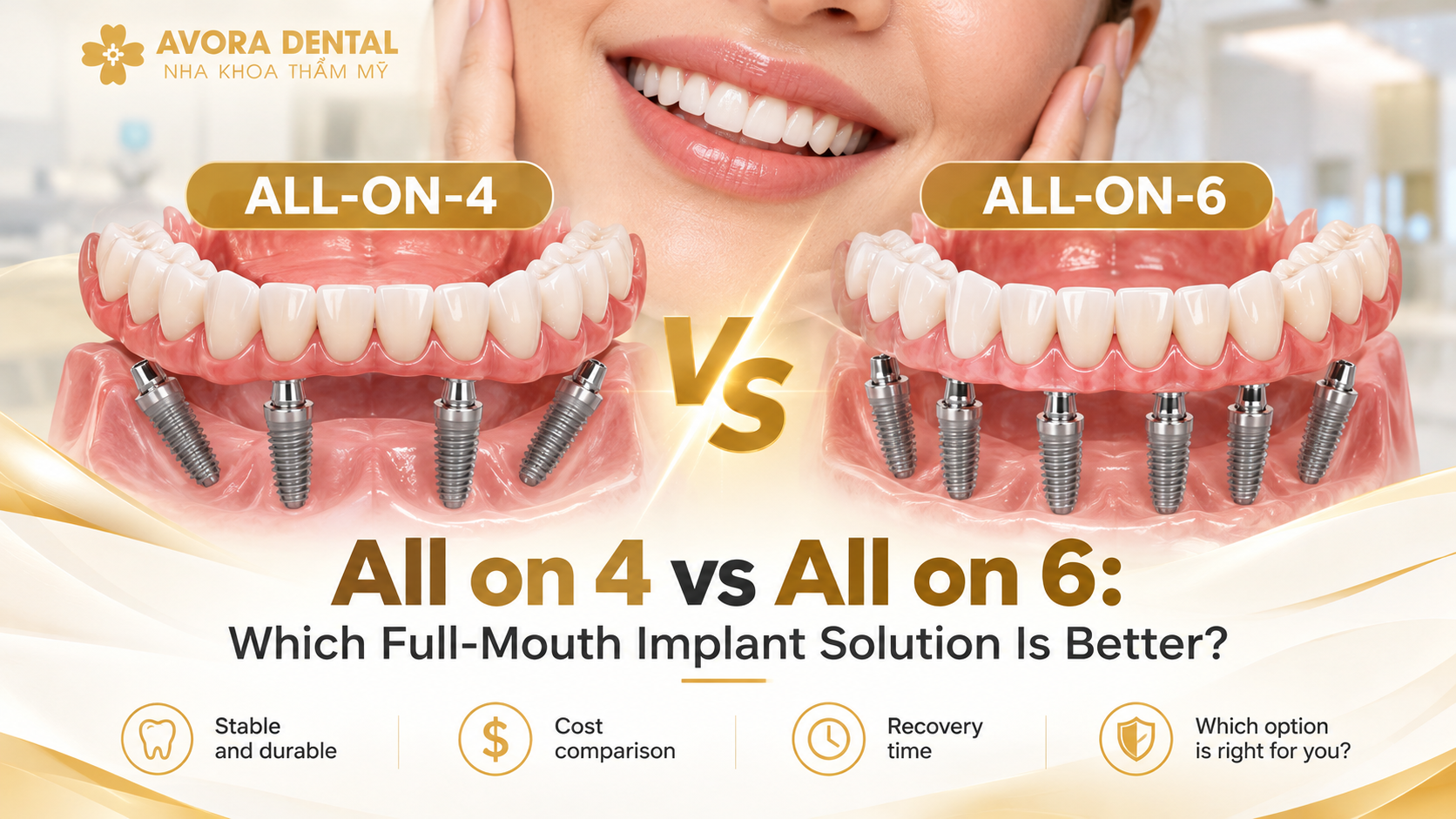
A straightforward single implant procedure may involve a different recovery experience from full-arch implant surgery or implant placement combined with bone grafting.
What Can You Eat During Dental Implant Recovery?
Choosing appropriate foods can help protect the surgical site and maintain adequate nutrition.
Recommended Foods After Dental Implant Surgery
During early dental implant recovery, patients may find the following foods easier to eat:
- Yogurt without hard toppings.
- Smooth soups served at a comfortable temperature.
- Mashed potatoes.
- Scrambled eggs.
- Soft tofu.
- Oatmeal.
- Soft fish.
- Mashed avocado.
- Smoothies consumed without a straw when advised.
Patients should follow their dentist’s instructions about food temperature, texture, and chewing restrictions.
Foods to Avoid During Early Recovery
Certain foods may irritate the surgical area or place excessive pressure on healing tissues.
These include:
- Hard nuts and seeds.
- Crunchy chips.
- Tough meat.
- Sticky candy.
- Very hot foods and drinks immediately after surgery.
- Foods that require forceful chewing near the implant site.
The duration of dietary restrictions depends on the surgical procedure and individual recovery.
7 Essential Dental Implant Aftercare Tips
Proper dental implant aftercare can help support healing and reduce avoidable complications.
1. Follow Your Dentist’s Instructions
Postoperative instructions are tailored to the type of surgery performed.
Always follow the recommendations provided by your treating dentist, including medication schedules and follow-up appointments.
2. Maintain Gentle Oral Hygiene
Keeping your mouth clean is important, but avoid disturbing the surgical site.
Your dentist may recommend gentle brushing around unaffected areas and specific cleaning instructions for the implant site.
3. Avoid Smoking
Smoking is associated with delayed healing and a higher risk of implant failure.
Avoid tobacco use and seek professional support if you need help quitting.
4. Limit Physical Exertion
Strenuous exercise can increase bleeding or discomfort shortly after surgery.
Ask your dentist when it is safe to resume intense physical activities.
5. Protect the Surgical Site
Avoid touching the implant area with your fingers or repeatedly checking it with your tongue.
Do not chew directly on the surgical site until your dentist advises that it is safe.
6. Attend Follow-Up Appointments
Follow-up examinations allow the dentist to assess wound healing, implant stability, and possible complications.
These appointments are especially important for patients receiving complex implant restorations.
7. Report Unusual Symptoms Early
Persistent or worsening symptoms should not be ignored.
Contact your dental provider if you notice significant swelling, increasing pain, unusual discharge, or implant mobility.
Is Pain Normal During Dental Implant Recovery?
Some discomfort is expected after dental implant surgery.
Common temporary symptoms include:
- Mild to moderate soreness.
- Localized swelling.
- Minor bruising.
- Temporary gum tenderness.
- Slight bleeding during the early postoperative period.
Symptoms generally improve as healing progresses.
However, severe pain, worsening swelling, persistent bleeding, fever, or a loose implant may indicate a complication.
Patients experiencing these symptoms should seek professional dental assessment promptly.
Dental Implant Recovery vs. Tooth Extraction Recovery
Although both procedures involve oral tissue healing, their recovery processes are different.
| Feature | Dental Implant Recovery | Tooth Extraction Recovery |
|---|---|---|
| Initial gum healing | Often 1–2 weeks | Often 1–2 weeks |
| Bone healing | Implant integration often takes months | Socket bone remodeling takes months |
| Surgical complexity | Varies by implant procedure | Varies by extraction difficulty |
| Follow-up | Implant stability and restoration planning | Wound healing and replacement planning |
| Long-term care | Ongoing implant maintenance | Ongoing oral health and tooth replacement care |
Recovery times are estimates and may vary significantly between patients.
Dental Implant Recovery for International Patients in Vietnam
For international patients considering implant treatment in Vietnam, recovery planning is particularly important.
Dental implant recovery may require more time than a short holiday allows.
Although some patients can travel after uncomplicated procedures, others may need additional monitoring or treatment.
Before scheduling dental implant surgery abroad, consider the following:
- Allow enough time for the initial consultation and diagnostic assessment.
- Discuss the expected healing period with your dentist.
- Ask whether multiple visits to Vietnam may be necessary.
- Understand how complications will be managed after returning home.
- Arrange access to dental follow-up care in your home country.
Patients should avoid making travel plans based solely on advertised treatment durations.
How to Support Long-Term Dental Implant Success
Dental implant recovery is only the beginning of maintaining a healthy implant restoration.
Long-term care should include consistent oral hygiene, regular dental examinations, and professional maintenance.
The American Academy of Periodontology provides patient education about dental implants and the importance of maintaining healthy surrounding tissues.
The American Dental Association’s MouthHealthy website also offers general information about oral health and dental treatment.
Patients should understand that implants can develop complications such as peri-implant inflammation and bone loss if surrounding tissues are not maintained properly.
Why Choose Avora Dental for Dental Implant Consultation?
Choosing a dental clinic is an important decision, particularly when planning treatment outside your home country.
At Avora Dental, we encourage patients to understand their dental implant options, expected recovery timeline, and follow-up responsibilities before proceeding.
International patients should ask their dental provider about:
- The qualifications and experience of the implant clinician.
- Available diagnostic imaging.
- Treatment planning and surgical procedures.
- Expected dental implant recovery time.
- Potential risks and complications.
- Follow-up arrangements.
- Total estimated treatment costs.
Understanding these details can help patients make informed decisions about their oral health.
Frequently Asked Questions About Dental Implant Recovery
1. How long does dental implant recovery take?
Initial gum healing often takes approximately one to two weeks, while implant integration with the jawbone commonly requires several months. The timeline varies between patients.
2. Can I return to work after dental implant surgery?
Some patients return to non-strenuous work within a few days after uncomplicated surgery. More complex procedures may require additional recovery time.
3. When can I eat normally after dental implant surgery?
Dietary restrictions depend on the procedure and healing progress. Patients should avoid chewing directly on the surgical area until their dentist confirms it is safe.
4. Is swelling normal after dental implant surgery?
Yes. Mild to moderate swelling is common and may peak during the first few days. Severe or worsening swelling requires professional assessment.
5. Can dental implants fail during recovery?
Yes. Implant failure can occur if osseointegration does not develop successfully or complications arise. Appropriate planning and follow-up can help manage risks, but success cannot be guaranteed.
6. Can I fly after dental implant surgery?
Flying may be possible after an uncomplicated procedure, but patients should obtain individualized advice, especially after sinus-related surgery or complex implant treatment.
Final Thoughts: Understanding Dental Implant Recovery
Dental implant recovery plays a critical role in the overall tooth replacement process.
Although initial discomfort often improves within several days, complete healing and implant integration may require several months.
Following postoperative instructions, maintaining good oral hygiene, avoiding smoking, and attending regular dental appointments can help support successful recovery.
For international patients considering dental implants in Vietnam, planning enough time for treatment and follow-up is especially important.
Planning Dental Implant Treatment in Vietnam?
Contact Avora Dental to discuss your tooth replacement needs, learn about dental implant treatment options, and understand the expected recovery process.
Medical Disclaimer: This article is for educational purposes only and does not replace professional dental diagnosis, personalized treatment planning, or postoperative instructions from a qualified dental clinician.