Explore dental implants in Vietnam: treatment options, procedure, costs, recovery and safety. Contact Avora Dental to discuss your implant consultation.
Are you looking for dental implants in Vietnam to replace missing teeth and restore your smile? Dental implants are a modern tooth replacement solution designed to improve chewing function, support oral health, and provide a natural-looking appearance.
Missing teeth can affect more than your smile. They may make eating uncomfortable, influence speech, and impact your confidence in everyday situations.
For international patients considering dental treatment abroad, understanding the benefits, procedure, recovery time, and potential costs of dental implants is essential.
At Avora Dental, we believe every patient deserves clear information about their dental treatment options. This comprehensive guide explains everything you need to know about dental implants in Vietnam and what to consider before starting treatment.
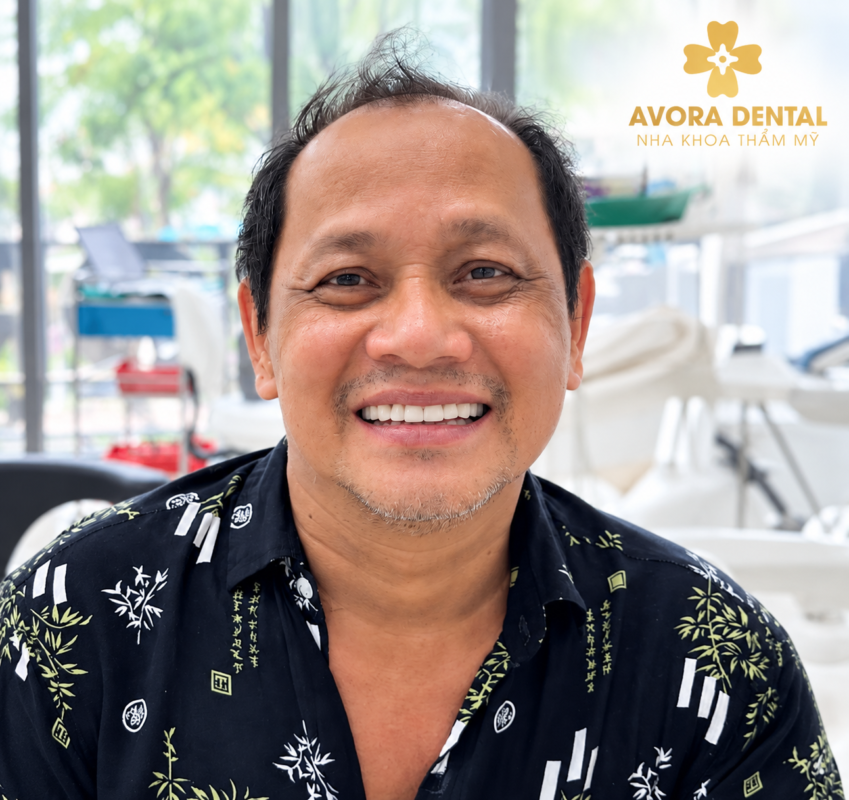
What Are Dental Implants in Vietnam?
When exploring dental implants in Vietnam, it helps to understand how they work. Dental implants are artificial tooth roots, usually made from titanium or other biocompatible materials, that are surgically placed into the jawbone to support replacement teeth.
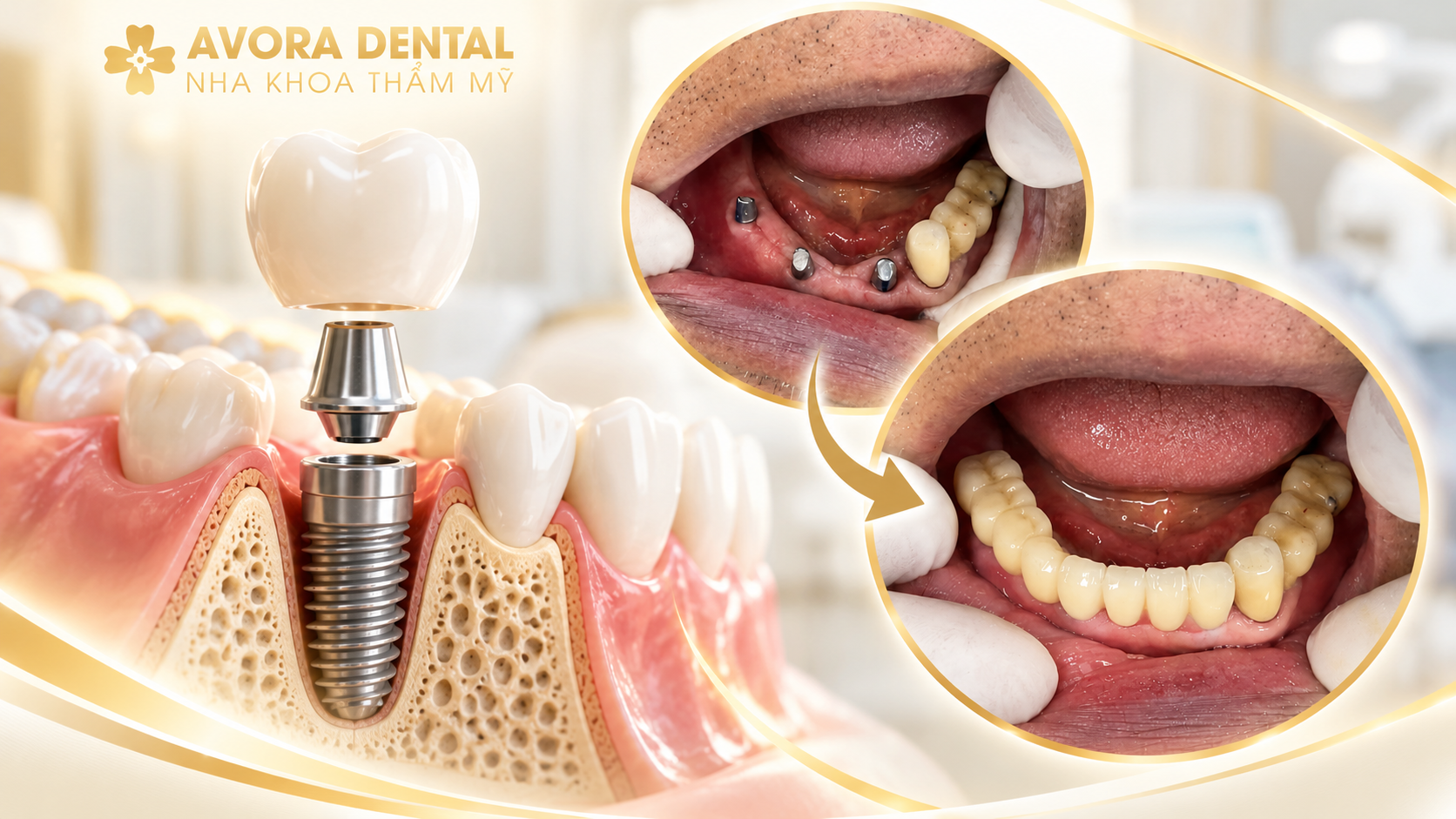
A typical dental implant restoration consists of three main components:
- Implant fixture: A small post inserted into the jawbone to act as an artificial tooth root.
- Abutment: A connecting component that attaches the replacement tooth to the implant.
- Dental crown: A custom-made restoration designed to resemble a natural tooth.
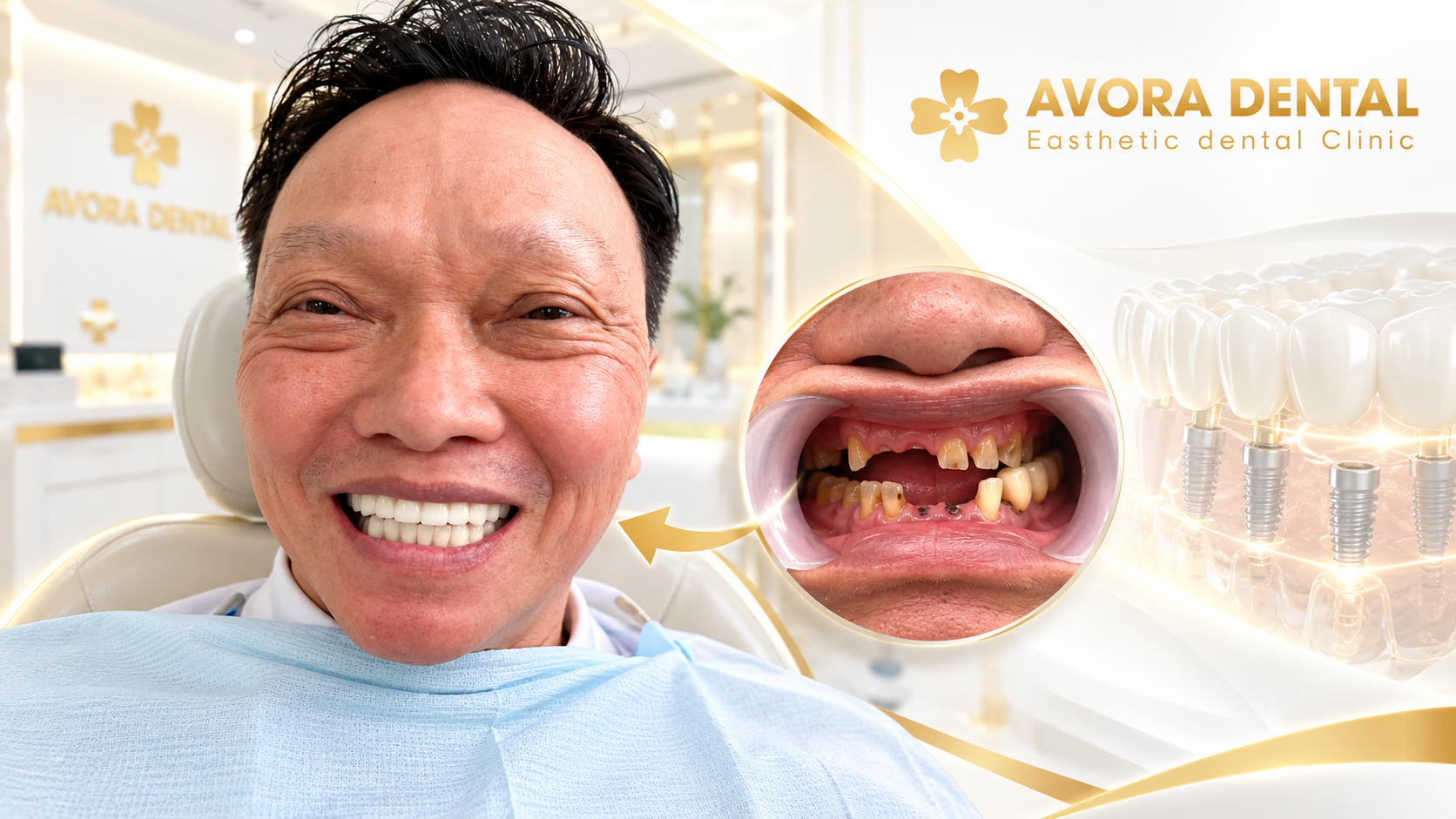
For patients researching dental implants in Vietnam, these restorations can be used to replace a single missing tooth, several missing teeth, or support a full-arch restoration.
Unlike conventional removable dentures, implant-supported restorations can provide improved stability for suitable patients.
However, dental implants require sufficient bone support, healthy surrounding tissues, and appropriate treatment planning.
Why Consider Dental Implants in Vietnam?
Vietnam has attracted interest from international patients seeking dental care, including implant treatment.
There are several reasons why people explore dental implants in Vietnam.
1. Potentially Affordable Dental Implants in Vietnam
One of the main reasons international patients consider dental implants in Vietnam is the possibility of lower treatment costs compared with certain other countries.
However, dental implant prices vary depending on the implant system, number of missing teeth, bone condition, and additional procedures required.
Before choosing dental implants in Vietnam, patients should always request a detailed quotation that explains the full treatment cost.
2. Different Dental Implant Treatment Options in Vietnam
Depending on the clinic and clinical circumstances, patients may have access to several implant restoration options, including:
- Single-tooth dental implants.
- Multiple dental implants.
- Implant-supported dental bridges.
- Implant-retained dentures.
- Full-arch implant-supported restorations.
The most appropriate dental implants in Vietnam treatment plan depends on the number of missing teeth, jawbone condition, oral health, and personal treatment goals.
3. Planning Dental Implants in Vietnam During an Extended Stay
For expatriates or international patients staying in Vietnam for an extended period, dental implant treatment may be incorporated into their healthcare plans.
However, implants often require several months of healing and multiple appointments.
Patients traveling specifically for treatment should discuss the timeline and follow-up arrangements before booking their trip.
5 Important Benefits of Dental Implants in Vietnam
1. Natural-Looking Tooth Replacement
One of the most appealing benefits of dental implants is their ability to support restorations that resemble natural teeth.
Dental implant crowns can be customized in shape, size, and color to complement the surrounding teeth.
A carefully designed implant restoration can help patients regain confidence when smiling and speaking.
2. Improved Chewing Function
Missing teeth can make it difficult to chew certain foods comfortably.
Dental implants provide stable support for replacement teeth, helping restore chewing function.
The degree of improvement depends on the number of implants, restoration design, and individual oral health.
3. Support for Jawbone Preservation
When a tooth is lost, the surrounding jawbone may gradually decrease in volume because it no longer receives normal stimulation from the tooth root.
Dental implants transfer functional forces to the surrounding bone and may help limit some of the bone changes associated with tooth loss.
However, implants do not completely prevent bone loss, and maintaining healthy tissues remains important.
4. No Need to Prepare Healthy Adjacent Teeth
A single dental implant can replace a missing tooth without requiring neighboring teeth to be reshaped to support a conventional dental bridge.
This can be an important advantage when adjacent teeth are healthy.
5. Long-Term Tooth Replacement Potential
With appropriate care and successful integration into the jawbone, dental implants can function for many years.
However, their longevity depends on oral hygiene, general health, smoking habits, bite forces, and professional maintenance.
Types of Dental Implants in Vietnam
There are several types of dental implant restorations available depending on the patient’s needs.
Single Dental Implant
A single dental implant is designed to replace one missing tooth.
The implant fixture supports an individual crown, helping restore appearance and chewing function without using adjacent teeth as bridge supports.
Multiple Dental Implants
Patients missing several teeth may benefit from multiple implants or an implant-supported bridge.
The number of implants required depends on the position of the missing teeth, bone availability, and restoration design.
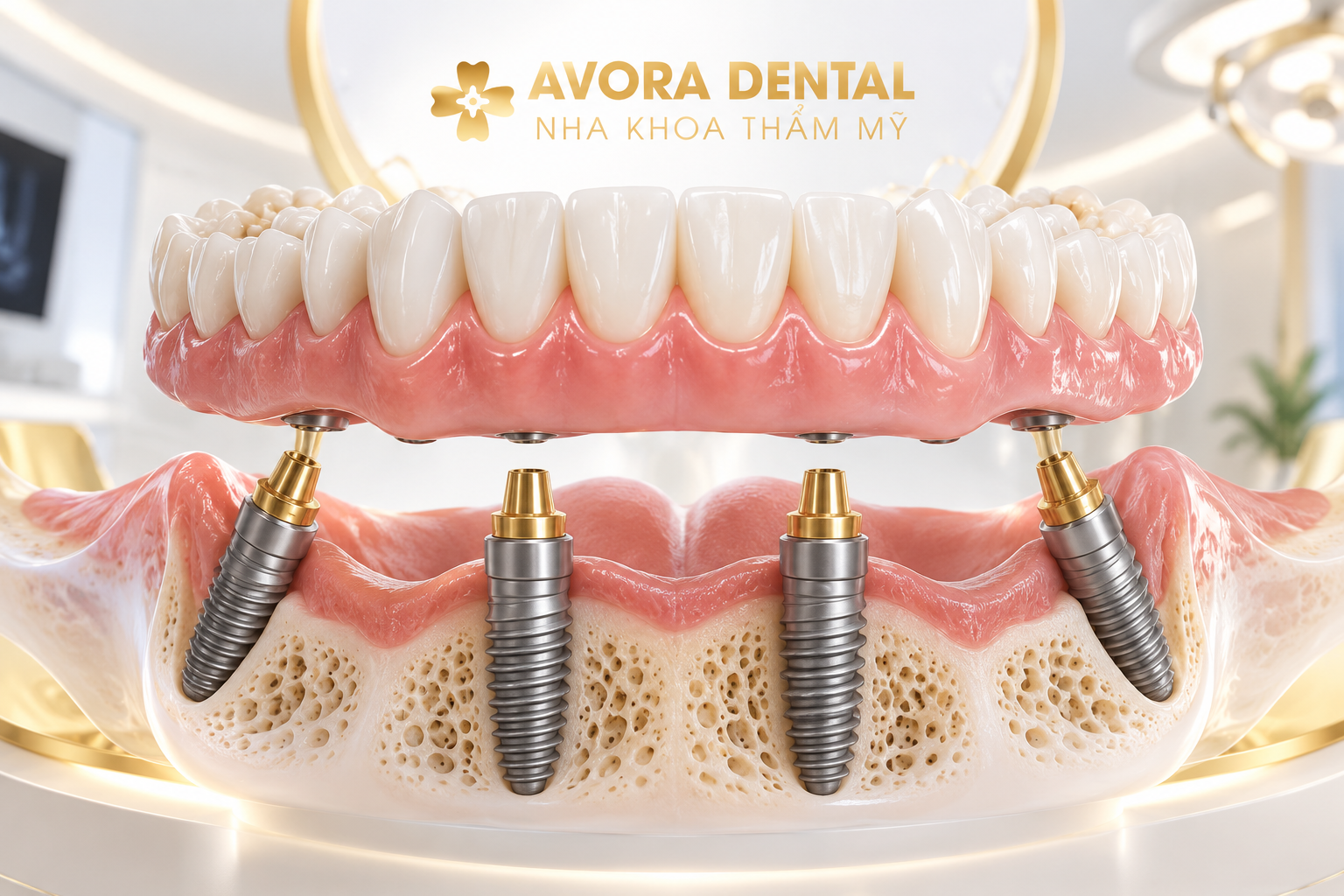
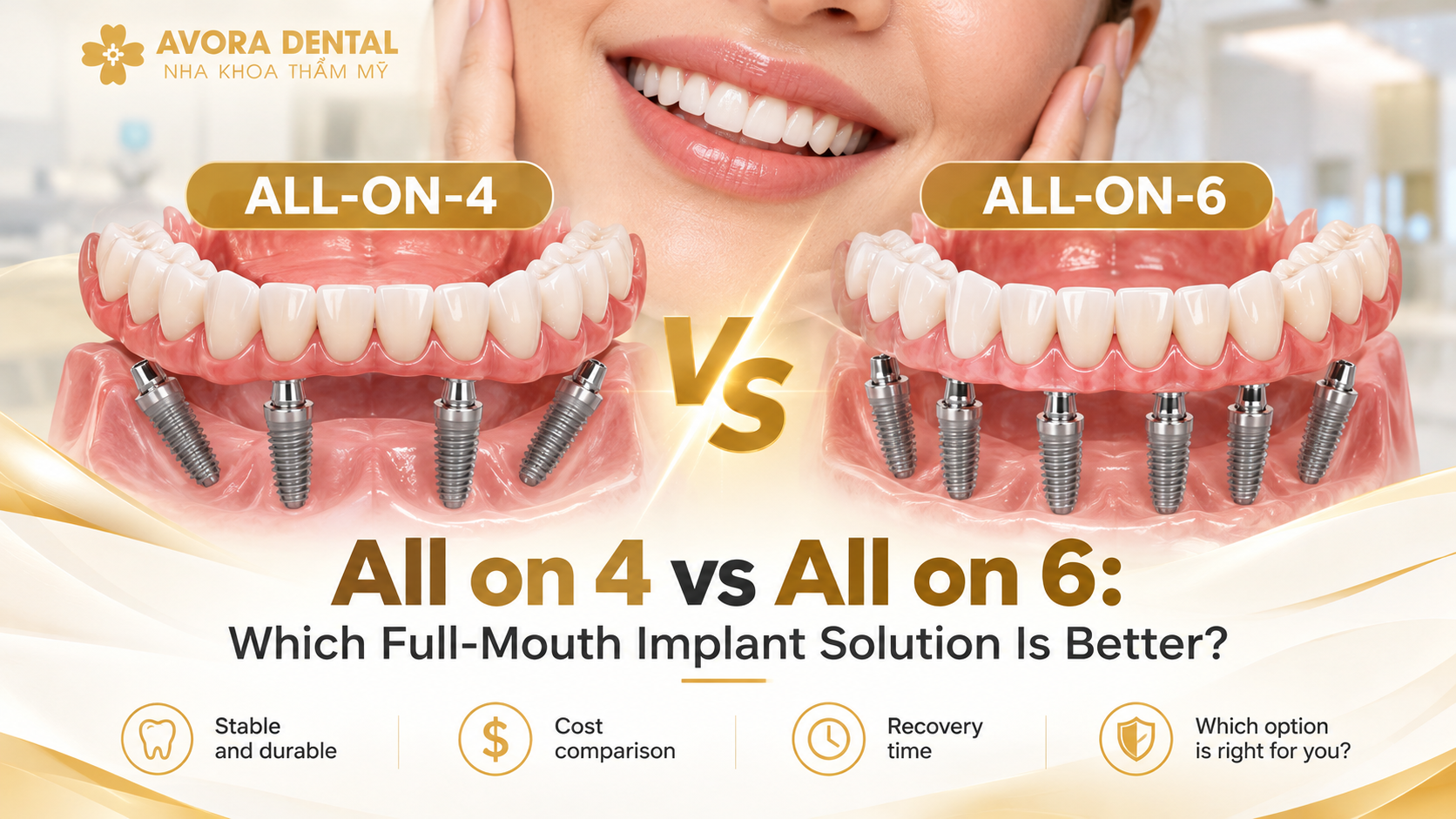
All-on-4 Dental Implants
All-on-4 dental implants refer to a full-arch restoration concept that uses four strategically positioned implants to support a fixed prosthesis in selected cases.
This approach may be considered for patients who have lost most or all teeth in one jaw.
Not every patient is suitable for an All-on-4 restoration, and some may require a different number of implants or additional procedures.
Implant-Supported Dentures
Implant-supported dentures use dental implants to provide additional retention and stability.
Depending on the design, they may be removable or fixed.
These restorations can be useful for certain patients seeking alternatives to conventional dentures.
Dental Implants in Vietnam: Step-by-Step Procedure
Understanding the dental implant procedure for dental implants in Vietnam helps patients prepare for each stage of treatment.
Step 1: Initial Consultation and Dental Examination
The dentist begins by evaluating your oral health, medical history, gum condition, and remaining teeth.
Dental imaging, including three-dimensional scans when appropriate, may be used to assess bone availability and anatomical structures.
The dentist then develops an individualized treatment plan.
Step 2: Treatment Planning and Preparation
Before implant placement, some patients may require additional dental procedures, such as:
- Tooth extraction.
- Treatment of active gum disease.
- Bone grafting.
- Sinus augmentation in selected upper-jaw cases.
These procedures are recommended only when clinically necessary.
Step 3: Dental Implant Placement
During implant surgery, the dentist or appropriately qualified implant clinician places the implant fixture into the jawbone.
Local anesthesia is typically used to minimize discomfort.
Sedation options may be available depending on the provider and the patient’s medical suitability.
Step 4: Healing and Osseointegration
After placement, the implant requires time to integrate with the surrounding jawbone.
This biological process is called osseointegration.
Healing commonly takes several months, although the exact timeline varies according to bone quality, implant stability, treatment complexity, and individual healing factors.
Some patients may receive a temporary restoration during this period.
Step 5: Abutment and Final Restoration
Once the implant is ready for restoration, the dentist connects an abutment and places the final crown, bridge, or denture.
The restoration is checked for fit, appearance, comfort, and bite alignment.
Step 6: Follow-Up and Maintenance
Regular follow-up appointments help assess implant health and the condition of the surrounding gums and bone.
Long-term maintenance is essential for implant success.
Dental Implants in Vietnam: What Affects the Cost?
The dental implant cost in Vietnam depends on several factors.
These include:
- Number of implants required.
- Implant brand and system.
- Implant fixture and abutment materials.
- Type of final restoration.
- Bone grafting or sinus augmentation requirements.
- Diagnostic imaging.
- Complexity of the surgical procedure.
- Follow-up and maintenance services.
When comparing dental implant prices, international patients should confirm whether the quotation includes the implant fixture, abutment, crown, surgical fees, imaging, and additional treatment.
When comparing dental implants in Vietnam, remember that a lower advertised price does not necessarily represent the total treatment cost.
At Avora Dental, patients can request a consultation to discuss their individual tooth replacement needs and obtain information about the estimated treatment expenses.
How Long Do Dental Implants in Vietnam Last?
Dental implants are designed as a long-term tooth replacement solution.
However, there is no guaranteed lifespan for an implant.
The implant fixture may remain functional for many years, while the attached crown, bridge, or denture may require maintenance, repair, or replacement over time.
Factors affecting implant longevity include:
- Oral hygiene and plaque control.
- Gum and bone health.
- Smoking and tobacco use.
- Uncontrolled medical conditions.
- Teeth grinding or excessive bite forces.
- Quality of implant placement and restoration.
- Regular professional dental examinations.
The American Academy of Periodontology provides additional educational information about dental implants and their role in replacing missing teeth.
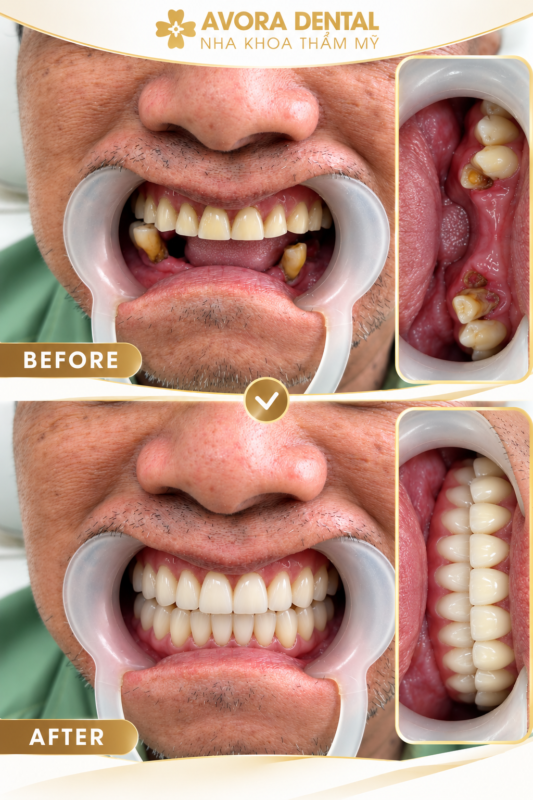
Are Dental Implants in Vietnam Safe?
Dental implants are an established treatment option for replacing missing teeth, but implant surgery carries potential risks.
Possible complications include:
- Infection around the implant.
- Bleeding, swelling, or discomfort after surgery.
- Damage to nearby anatomical structures.
- Nerve injury or sinus-related complications in certain cases.
- Failure of the implant to integrate with the bone.
- Peri-implant inflammation or bone loss over time.
Patients with certain medical conditions, active periodontal disease, or inadequate bone support may require additional evaluation or treatment.
A thorough consultation and appropriate clinical planning are essential before implant placement.
Dental Implants in Vietnam vs. Dental Bridges: Which Is Better?
Patients considering dental implants in Vietnam often compare implants with traditional dental bridges.
Both treatments can replace missing teeth, but they differ in important ways.
| Feature | Dental Implants | Dental Bridges |
|---|---|---|
| Support | Jawbone | Adjacent teeth or implants |
| Surgery | Usually required | Not required for conventional tooth-supported bridges |
| Adjacent teeth | Usually preserved | May require preparation |
| Treatment time | Often several months | Often shorter |
| Maintenance | Regular implant-specific care | Regular cleaning around bridge |
| Suitability | Depends on bone and health | Depends on supporting teeth |
Dental implants may be preferable in certain situations, but bridges can also provide effective and appropriate treatment.
The best option depends on individual clinical findings, treatment preferences, and long-term oral health considerations.
How to Care for Dental Implants in Vietnam
Proper maintenance helps protect both the implant restoration and surrounding tissues.
Brush Twice a Day
Brush your teeth and implant restorations twice daily using a soft-bristled toothbrush.
Clean Between Your Teeth
Use dental floss, interdental brushes, or other cleaning aids recommended by your dentist.
Cleaning around implant-supported restorations is especially important to control plaque.
Avoid Smoking
Smoking is associated with an increased risk of implant complications and may negatively affect healing.
Patients should discuss tobacco use with their dental provider before treatment.
Attend Regular Dental Checkups
Routine professional examinations allow your dentist to monitor implant stability, gum health, bone levels, and restoration condition.
Report Unusual Symptoms
Contact your dentist if you experience persistent pain, swelling, bleeding, implant mobility, or difficulty chewing.
Early evaluation can help identify complications.
Why Consider Avora Dental for Dental Implants in Vietnam?
Choosing the right provider for dental implants in Vietnam is an essential part of implant treatment, particularly for international patients.
At Avora Dental, we encourage patients to make informed decisions based on their oral health, treatment expectations, and individual circumstances.
Before choosing a dental implant provider, patients should ask about:
- The clinician’s qualifications and implant experience.
- Available implant systems and materials.
- Diagnostic imaging and treatment planning.
- Surgical and restorative treatment stages.
- Expected healing and treatment timelines.
- Detailed treatment quotations.
- Follow-up arrangements for international patients.
For patients considering dental implants in Vietnam, understanding these details can make the treatment journey more predictable and transparent.
Frequently Asked Questions About Dental Implants in Vietnam
1. Is dental implant surgery in Vietnam painful?
Dental implant surgery is usually performed under local anesthesia. Patients may experience temporary swelling, soreness, or discomfort afterward. The level of discomfort varies depending on the procedure and individual healing response.
2. How long do dental implants in Vietnam take?
Treatment often takes several months because the implant needs time to integrate with the jawbone. Some cases may require additional healing after extraction or bone grafting.
3. Can dental implants in Vietnam replace multiple missing teeth?
Yes. Dental implants can support individual crowns, bridges, and certain full-arch restorations depending on the patient’s oral condition.
4. Are dental implants in Vietnam suitable for older adults?
Age alone does not necessarily prevent implant treatment. Overall health, bone condition, oral hygiene, and medical risk factors are more important considerations.
5. Can I travel after getting dental implants in Vietnam?
Travel may be possible after implant placement, but the timing depends on the procedure, recovery, and potential complications. Patients should follow their treating clinician’s advice and ensure access to appropriate follow-up care.
6. Do dental implants in Vietnam require special cleaning?
Dental implants require consistent daily cleaning and professional maintenance. Your dentist may recommend specific cleaning tools depending on the restoration design.
Final Thoughts: Are Dental Implants in Vietnam Right for You?
Dental implants in Vietnam may be an option for international patients seeking a long-term solution for missing teeth.
Implants can help restore chewing function, support natural-looking restorations, and improve oral comfort when treatment is clinically appropriate.
However, successful implant treatment requires careful diagnosis, appropriate surgical planning, adequate healing, and ongoing maintenance.
At Avora Dental, we believe patients should understand the benefits, limitations, costs, and responsibilities associated with implant treatment before making a decision.
Ready to Explore Dental Implants in Vietnam at Avora Dental?
Contact Avora Dental to arrange a dental consultation and learn more about suitable tooth replacement options for your smile.
Medical Disclaimer: This article is provided for general educational purposes only. It does not replace professional dental examination, diagnosis, or individualized treatment advice.